The Future of Ignition Interlock Devices: A Roadblock to Implementation
The 2021 Infrastructure Investment and Jobs Act mandated advanced technology to prevent impaired driving, but the technology doesn't exist yet.
Key Takeaways
- The 2021 Infrastructure Investment and Jobs Act requires new vehicles to come equipped with advanced technology to prevent impaired driving.
- The technology does not yet exist, and there are concerns about its implementation.
- Ignition interlock devices (IIDs) are currently used for drunk-driving offenders, but the new rule calls for passive detection of impairment.
- Lawmakers and automakers are pushing back against the mandate, citing concerns about civil liberties and false readings.
- The implementation timeline has been delayed, and it’s unlikely that IIDs will be in 2028 vehicles.
What is the Current State of Ignition Interlock Devices?
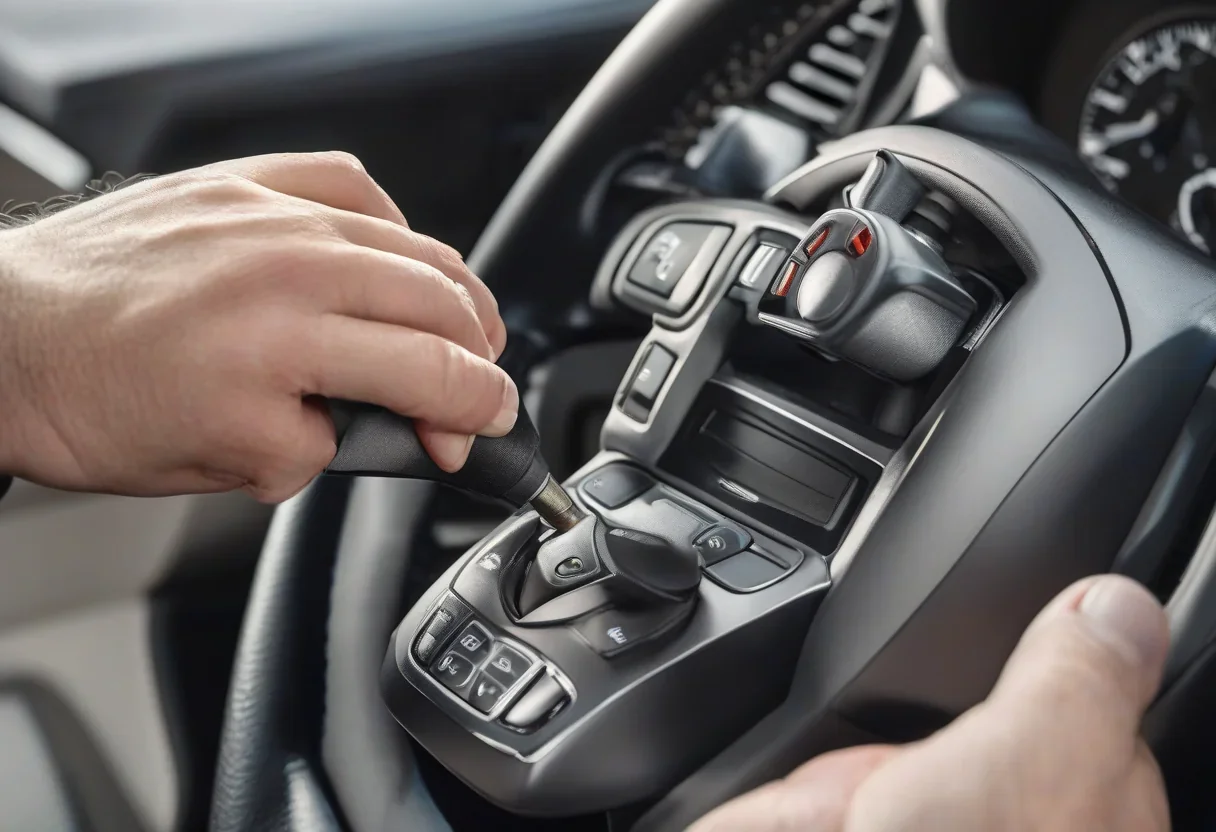
Ignition interlock devices (IIDs) are currently used for drunk-driving offenders as required by law or court order. These devices operate with the aid of a breathalyzer and prevent or limit vehicle operation if the driver is impaired.
However, the new rule calls for technology that can passively determine impairment, without the need for a breathalyzer. This technology does not yet exist, and there are concerns about its implementation.
What are the Concerns About the Mandate?
Lawmakers and automakers are pushing back against the mandate, citing concerns about civil liberties and false readings. The Alliance for Automotive Innovation fears that even occasional false readings from a nascent system could stymie law-abiding motorists.
U.S. Rep. Thomas Massie, R-Ky, has been vocal in his opposition to the mandate, arguing that it would “infringe on civil liberties.” He has also raised questions about the consequences after a car decides a driver is unfit to drive.
What is the Current Timeline for Implementation?
According to the original timeline of the IIJA, automakers were due to fit vehicles with the technology by the 2028 model year. However, there is a near-zero chance that IIDs will end up in any 2028 vehicles.
NHTSA will need to explain the delay in implementation via an annual report, which is a provision that stands for the 10 years following the enactment of the IIJA in November 2021.
What are the Possible Approaches to Passive Impairment Detection?
Possible approaches to passive impairment detection include measuring alcohol concentration through the skin via a sensor in a typical driving touch point, taking readings from in-cabin exhalations, or tracking steering inputs and eye motions to detect drowsiness, distraction, or other impairments.
However, these approaches are still in the development stage, and it’s unclear which one will be implemented.
What are the Implications of the Delayed Implementation?
The delayed implementation of the mandate means that it’s unlikely that IIDs will be in 2028 vehicles. This raises questions about the effectiveness of the mandate in preventing impaired driving.
It also highlights the need for further research and development of passive impairment detection technology.
Frequently Asked Questions
Q: What is the purpose of the 2021 Infrastructure Investment and Jobs Act?
The purpose of the act is to reduce fatalities caused by impaired driving by requiring new vehicles to come equipped with advanced technology to prevent impaired driving.
Q: What is the current state of ignition interlock devices?
Ignition interlock devices (IIDs) are currently used for drunk-driving offenders as required by law or court order. However, the new rule calls for technology that can passively determine impairment, without the need for a breathalyzer.
Q: What are the concerns about the mandate?
Lawmakers and automakers are pushing back against the mandate, citing concerns about civil liberties and false readings.