Kia's Next Sportage Is Getting A Rugged Redesign
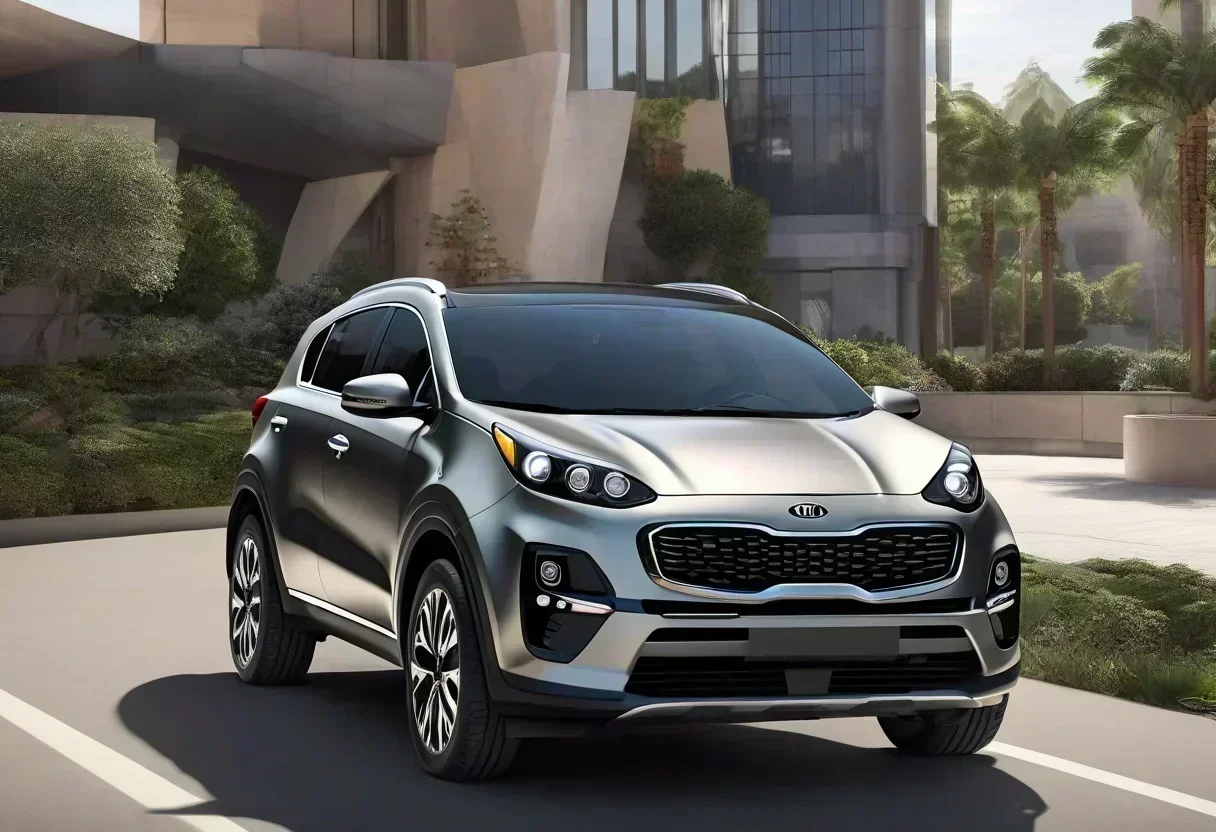
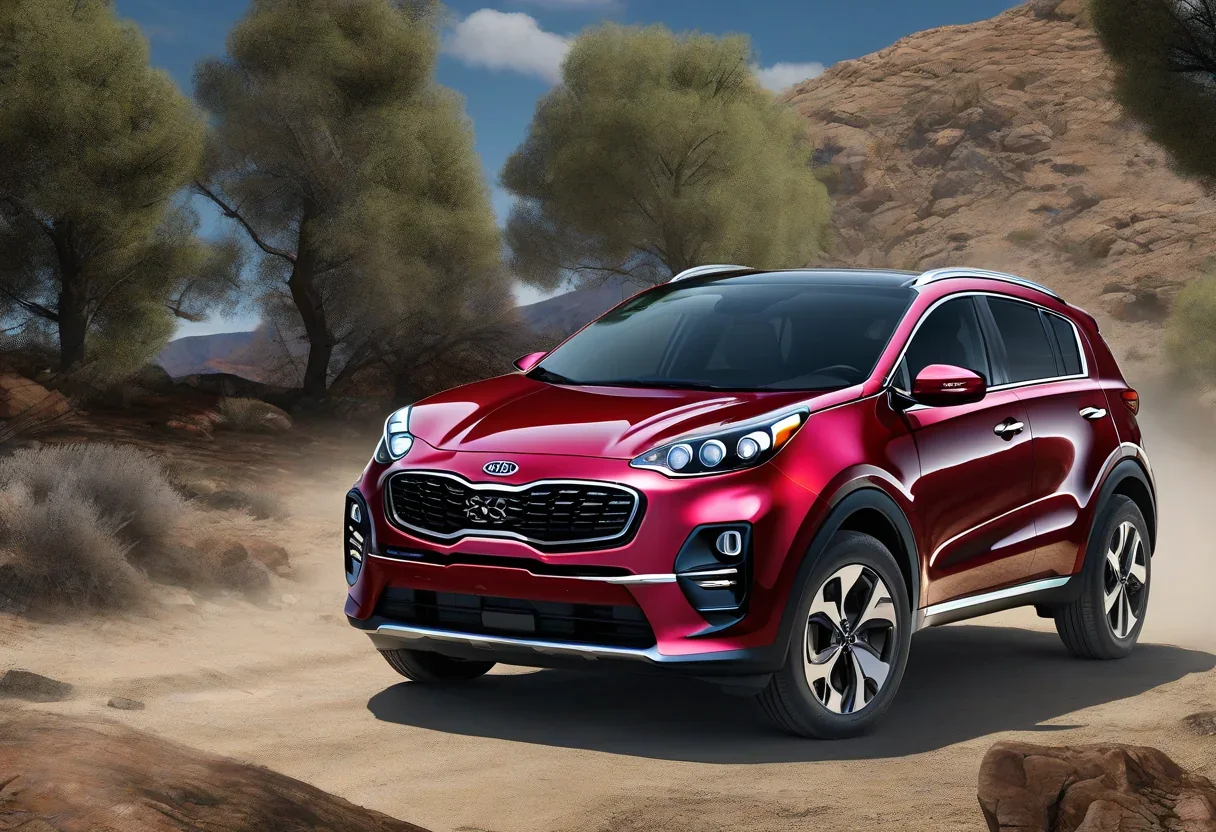
The next-generation Kia Sportage has been spied with a more linear appearance, trading swoopy styling for a more upright and angular design.
Key Takeaways
- The next-generation Kia Sportage has been spied with a more linear appearance.
- The redesigned model trades swoopy styling for a more upright and angular design.
- The crossover will likely be powered by new hybrid and plug-in hybrid powertrains.
- The Sportage retains a gently sloping roof, but it’s accompanied by thicker fender flares.
- Inside, the Sportage features a Pleos Connect infotainment system and a digital instrument cluster.
What’s New in the Next-Generation Sportage?
The next-generation Kia Sportage has been spied undergoing testing in Europe, and it’s clear that the redesigned model will have a more linear appearance. Gone are the swoopy, curvaceous styling cues of the current model, replaced by a more upright and angular design.
This new design language is reminiscent of newer Kia models such as the Seltos and Telluride. The mid-mounted headlights reside at the outside edges of a wide grille, and a prominent horizontal bar adds to the model’s rugged appearance.
Additional styling cues are hard to make out, but it appears the model has a taller and more upright front end. The crossover also features a flatter beltline and a more angular A-pillar.
Powertrain Options
Powertrain options will likely be shared with the new Hyundai Tucson, which means we can expect hybrid and plug-in hybrid setups. Both should see significant improvements to maximize performance and efficiency.
This is a welcome change, as the current Sportage Hybrid has already proven to be a compelling option in the compact crossover segment. With the new powertrains, the next-generation Sportage is likely to be even more competitive.
Interior Features
Inside, the Sportage features a Pleos Connect infotainment system, which is offered in a variety of sizes including 12.9-, 14.6-, and 17-inches. We can also expect a digital instrument cluster as well as streamlined switchgear.
The interior design is not yet clear, but it’s likely to follow the same design language as the exterior. This means we can expect a more angular and upright design, with a focus on functionality and usability.
Design Rationale
The new design language of the Sportage is likely a response to changing consumer preferences. With the rise of SUVs and crossovers, manufacturers are looking for ways to differentiate their models and appeal to a wider range of buyers.
The more linear and angular design of the Sportage is likely to appeal to buyers who want a more rugged and capable vehicle. At the same time, the model’s compact size and hybrid powertrains will still appeal to buyers who want a fuel-efficient and practical vehicle.
Competitive Landscape
The compact crossover segment is highly competitive, with a wide range of models available from different manufacturers. The Sportage will compete with models such as the Honda CR-V, Toyota RAV4, and Subaru Forester.
However, with its new design language and hybrid powertrains, the Sportage is likely to stand out from the competition. The model’s rugged appearance and capable handling will appeal to buyers who want a more adventurous vehicle.
Frequently Asked Questions
Q: What’s new in the next-generation Kia Sportage?
The next-generation Kia Sportage has a more linear appearance, trading swoopy styling for a more upright and angular design. The model also features new hybrid and plug-in hybrid powertrains, as well as a Pleos Connect infotainment system and a digital instrument cluster.
Q: What are the powertrain options for the next-generation Sportage?
The powertrain options will likely be shared with the new Hyundai Tucson, which means we can expect hybrid and plug-in hybrid setups. Both should see significant improvements to maximize performance and efficiency.
Q: What’s the design rationale behind the new Sportage?
The new design language of the Sportage is likely a response to changing consumer preferences. With the rise of SUVs and crossovers, manufacturers are looking for ways to differentiate their models and appeal to a wider range of buyers.