Toyota May Bring Back Buttons to RAV4 if Customers Demand Them
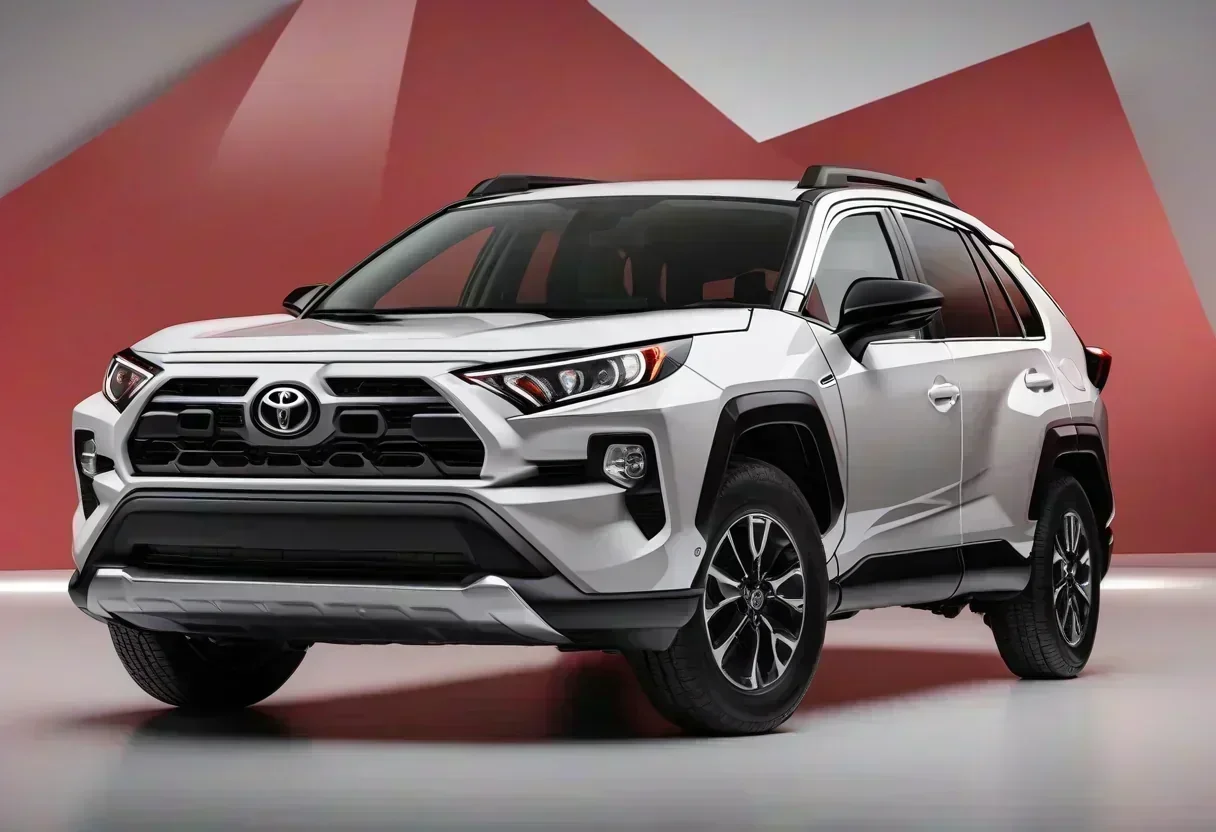
Toyota could add buttons back to its best-selling SUV if customers demand them.
Key Takeaways
- Toyota may add buttons back to the RAV4 if customers demand them.
- The sixth-generation RAV4 launched with a redesigned cabin and fewer buttons.
- Toyota originally designed the RAV4 with all interior controls accessible through the display.
- Consumers have been begging automakers to put physical buttons back into cars.
- Toyota is evaluating consumer responses to the RAV4’s new cabin.
What Prompted the Button-Less Design?
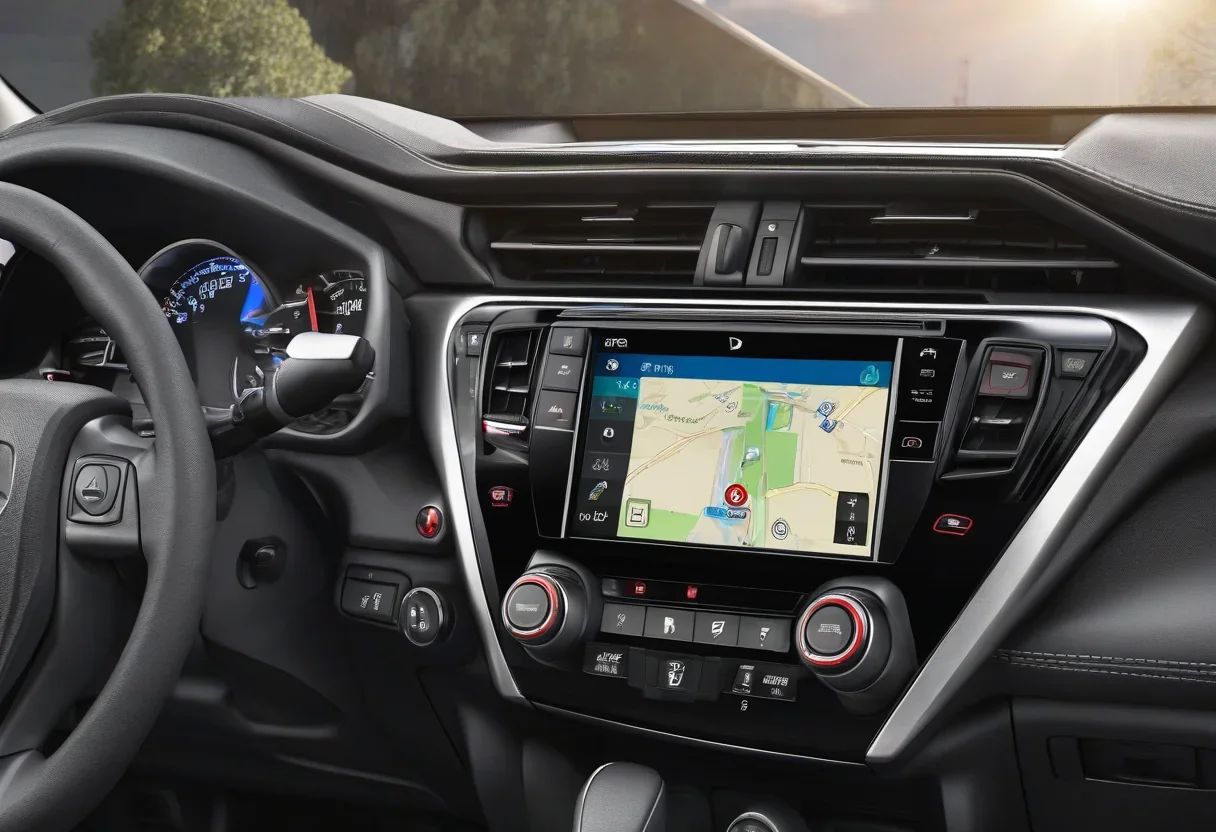
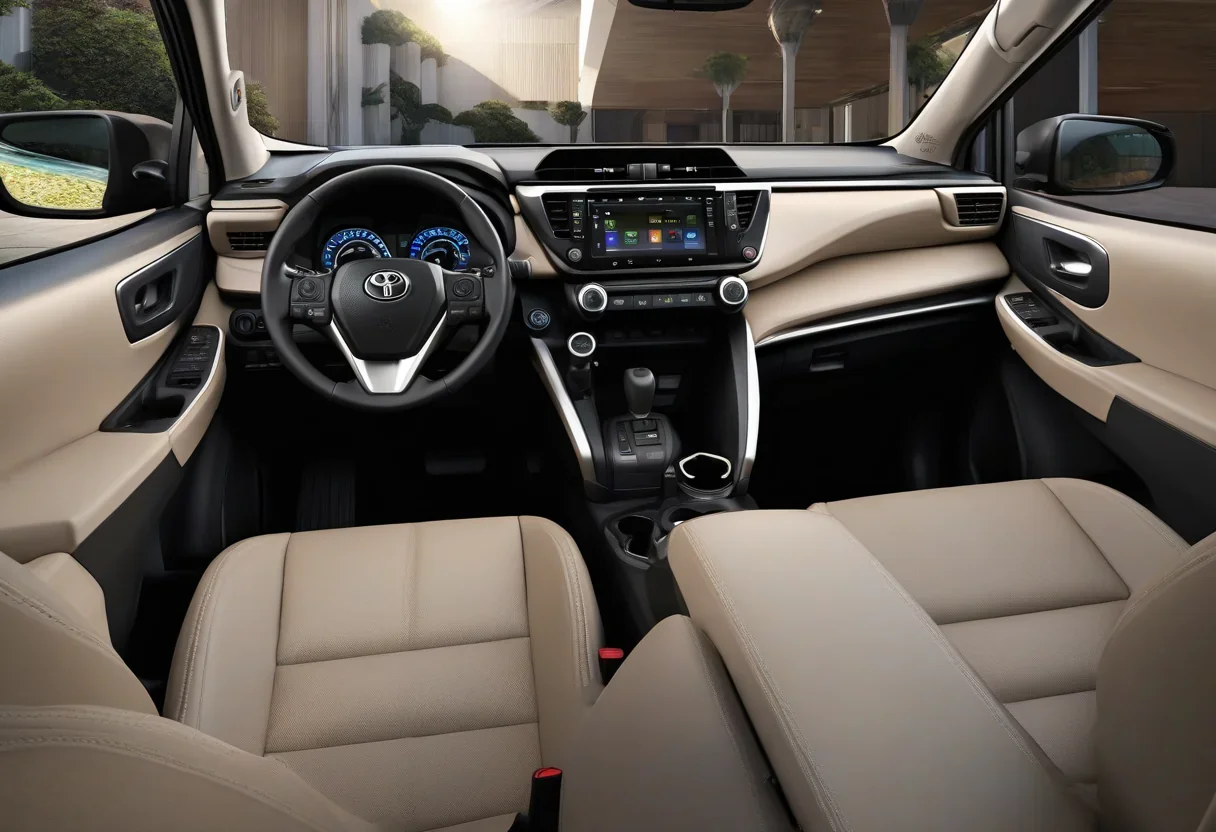
Toyota originally designed the RAV4 with all its key interior controls only accessible through the screen. The automaker wanted to have the fewest physical switches in the cabin, which caused “a lot of drama” as the team worked to determine which would remain physical and which would become digital.
This design decision was likely influenced by the trend of modern cars moving towards more digital interfaces. However, as we’ll explore later, this trend has not been universally well-received by consumers.
Consumer Demand for Buttons
In the last few years, consumers have been begging automakers to put physical buttons back into cars. Some are listening, like Volkswagen, which has faced fierce backlash to its use of capacitive controls and switches.
Even consumers in China want buttons. Toyota’s chief engineer, Yoshinori Futonagane, told Drive that Toyota tried to put as many controls as possible in the screen, but consumers in the Asian country “didn’t want it. They wanted knobs and switches.”
Industry Trends
Kia, Audi, and others have all committed to keeping buttons. Mazda, famous for its rotary-controlled infotainment display, went in the opposite direction with its new CX-5. The automaker eliminated nearly every button in the cabin, preferring that drivers use voice and steering-wheel-mounted controls.
This mixed approach suggests that there is no one-size-fits-all solution to the button debate. Automakers are experimenting with different designs to find the right balance between digital interfaces and physical controls.
Toyota’s Response
Toyota is evaluating consumer responses to the RAV4’s new cabin. If enough people demand it, Toyota might listen and add back more buttons. This willingness to adapt to consumer feedback is a positive sign for those who prefer physical controls.
As Motor1’s Take notes, automakers might want to save money by eliminating as many buttons as possible inside today’s cars, but they know consumers are sensitive to those changes.
Frequently Asked Questions
Q: Why did Toyota design the RAV4 with fewer buttons?
Toyota originally designed the RAV4 with all its key interior controls only accessible through the screen. The automaker wanted to have the fewest physical switches in the cabin.
Q: What is the consumer response to the button-less design?
Consumers have been begging automakers to put physical buttons back into cars. Even consumers in China want buttons, and Toyota is evaluating consumer responses to the RAV4’s new cabin.
Q: Will Toyota add back buttons to the RAV4?
If enough people demand it, Toyota might listen and add back more buttons. The automaker is willing to adapt to consumer feedback and make changes to the design.