Toyota Admits The New RAV4 Went Too Far On Screens, And Even China Agrees
Toyota is reconsidering its approach to infotainment systems after customer feedback on the new RAV4.
Key Takeaways
- Toyota is reevaluating its approach to infotainment systems in the new RAV4.
- Customer feedback may lead to the return of physical buttons for certain functions.
- Even Chinese buyers, who were thought to prefer screen-heavy interfaces, are asking for more physical switches.
- Toyota is tracking owner feedback and may make changes in future updates.
- The debate over screens versus buttons in vehicles is ongoing.
What’s Behind Toyota’s Reevaluation of Infotainment Systems?
Toyota’s decision to reevaluate its approach to infotainment systems in the new RAV4 comes after customer feedback suggested that the vehicle’s screen-heavy interface may have gone too far. The company’s chief engineer, Yoshinori Futonagane, revealed that Toyota is closely tracking owner feedback and may consider bringing back physical buttons for certain functions.
This move is significant, as it suggests that Toyota is willing to listen to customer concerns and make changes to its design approach. It also highlights the ongoing debate over the use of screens versus buttons in vehicles, with some automakers arguing that infotainment touchscreens are safer and more convenient, while others prefer physical controls.
How Does the New RAV4’s Infotainment System Work?
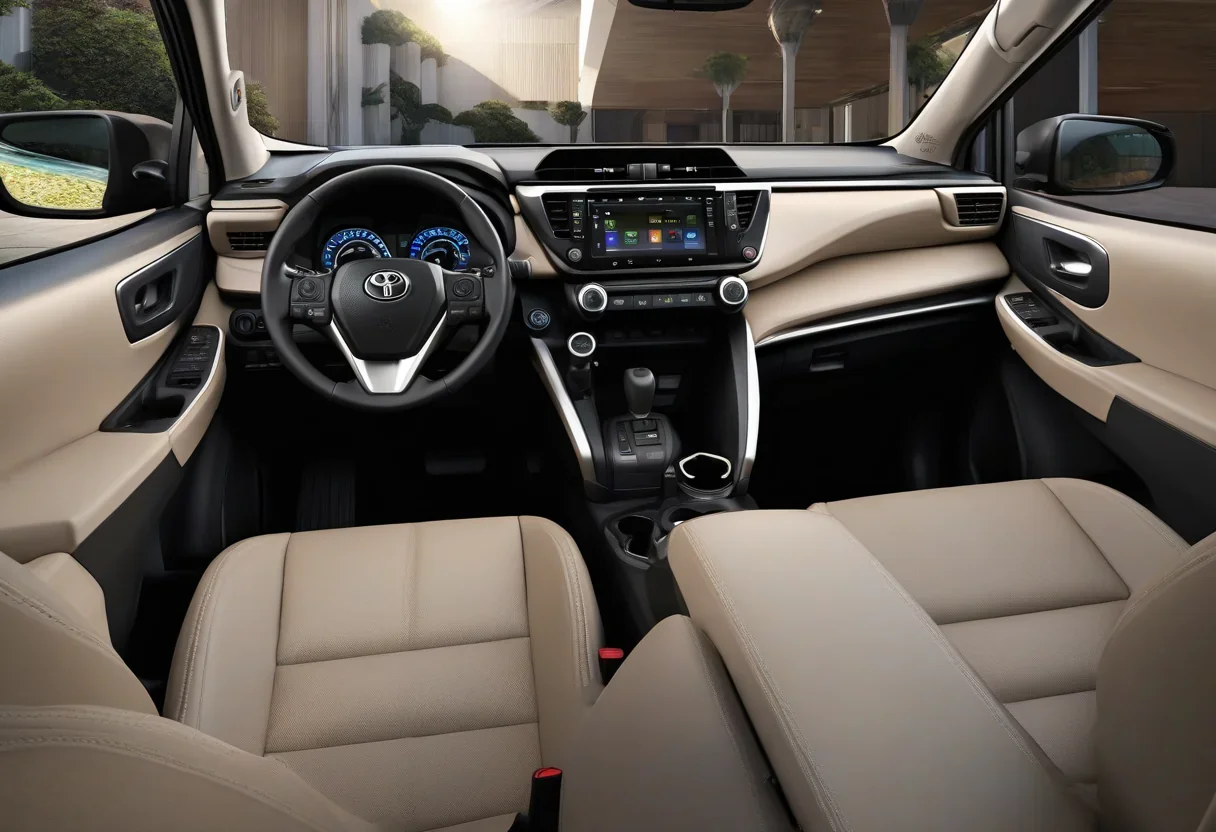
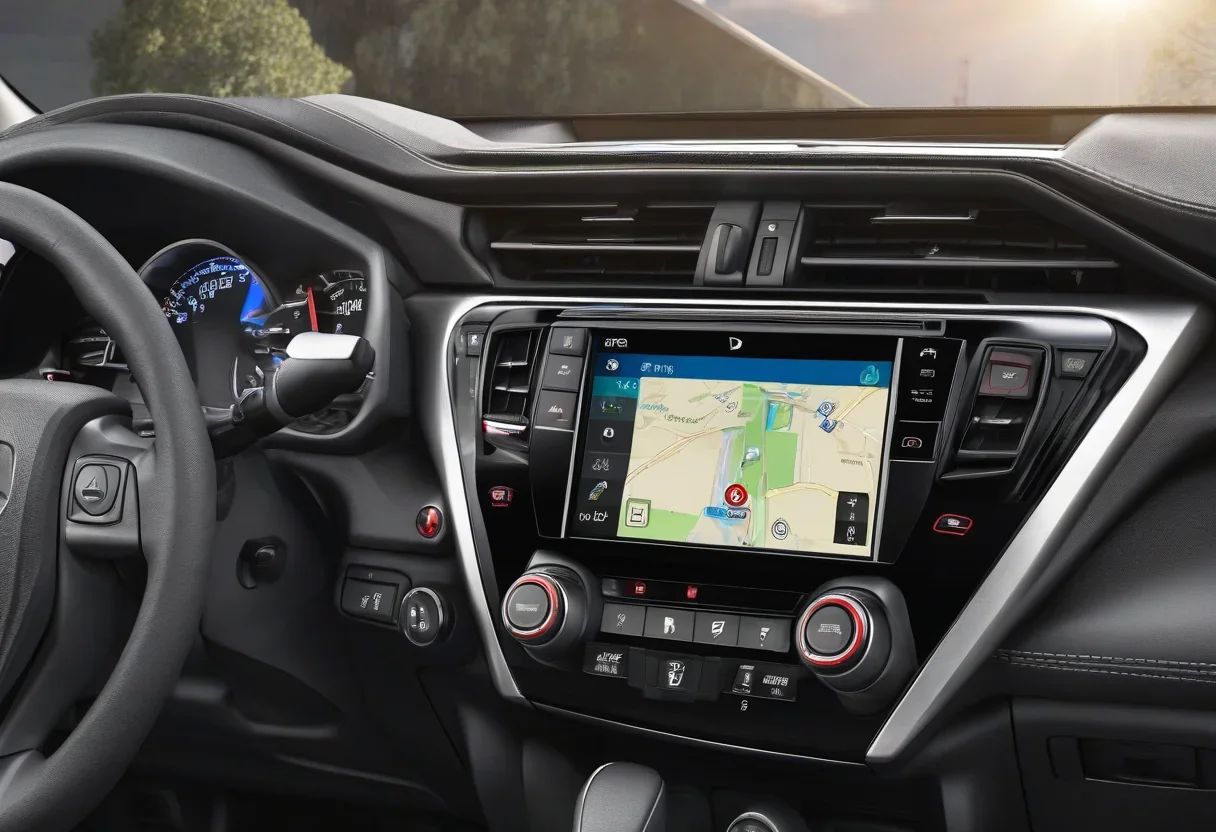
The new RAV4 features a large touchscreen interface that controls many of the vehicle’s functions, including climate control, navigation, and entertainment. However, some functions, such as drive mode controls, remain as physical buttons. This approach is designed to provide a balance between the convenience of a touchscreen and the tactile feedback of physical controls.
However, some customers have expressed concerns that the system is too complex and distracting, leading Toyota to reconsider its approach. Futonagane acknowledged that the company may have gone too far in its efforts to reduce the number of physical buttons, and that some functions may be better suited to physical controls.
What Do Chinese Buyers Think of the New RAV4’s Infotainment System?
Interestingly, Chinese buyers, who were thought to prefer screen-heavy interfaces, are also asking for more physical switches. This suggests that the desire for physical controls is not limited to Western markets, and that Toyota’s decision to reevaluate its approach may be a wise one.
Futonagane revealed that Toyota has already been moving back toward physical controls in some other vehicles, and that the company is willing to make changes to the RAV4’s infotainment system if customer feedback suggests it is necessary.
What Does This Mean for the Future of Infotainment Systems?
The debate over screens versus buttons in vehicles is ongoing, and Toyota’s decision to reevaluate its approach suggests that the industry may not have reached a final answer yet. As automakers continue to develop new infotainment systems, they will need to balance the convenience of touchscreens with the need for physical controls and tactile feedback.
Ultimately, the future of infotainment systems will depend on customer preferences and feedback. As Toyota’s experience with the new RAV4 shows, it is essential for automakers to listen to their customers and be willing to make changes to their design approach if necessary.
Frequently Asked Questions
Q: Will Toyota bring back physical buttons for certain functions in the RAV4?
A: Yes, Toyota is considering bringing back physical buttons for certain functions in the RAV4, based on customer feedback. The company is tracking owner feedback and may make changes in future updates.
Q: What is the current state of the debate over screens versus buttons in vehicles?
A: The debate is ongoing, with some automakers arguing that infotainment touchscreens are safer and more convenient, while others prefer physical controls. Toyota’s decision to reevaluate its approach suggests that the industry may not have reached a final answer yet.
Q: How does the new RAV4’s infotainment system work?
A: The new RAV4 features a large touchscreen interface that controls many of the vehicle’s functions, including climate control, navigation, and entertainment. However, some functions, such as drive mode controls, remain as physical buttons.