BMW and Toyota Test 100% Renewable Gasoline in Real-World Pilot
BMW, Toyota, Repsol, and Bosch launch a six-month pilot program in Spain to test 100% renewable gasoline in regular cars.
Key Takeaways
- BMW and Toyota partner with Repsol and Bosch to test 100% renewable gasoline in regular cars.
- The six-month pilot program aims to collect data on the feasibility of renewable fuel in existing vehicles.
- The fuel is made from RED-compliant feedstocks, such as used cooking oil and tallow.
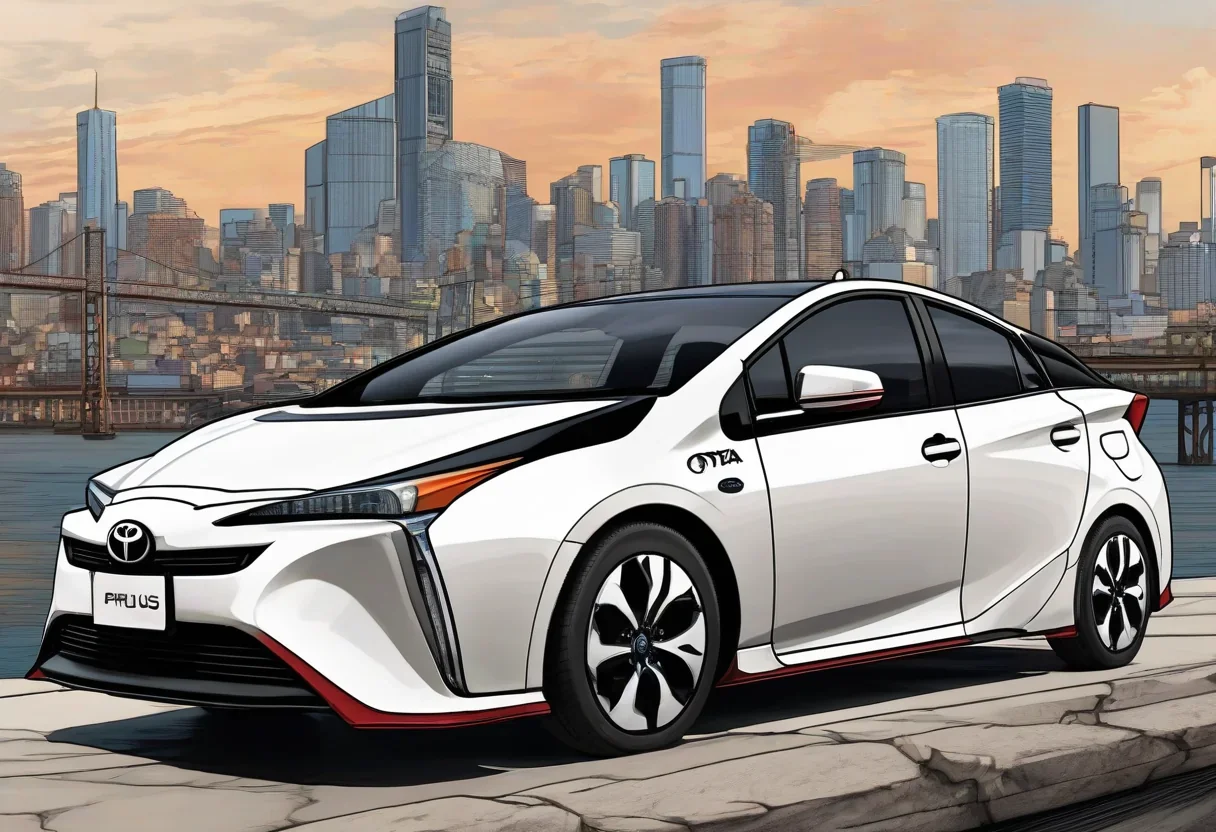
- The pilot program uses a fleet of 20 Toyota and BMW vehicles with minimal modifications.
- The study’s results could have significant implications for the future of sustainable mobility in Europe.
What is the Pilot Program About?
The pilot program, launched in early July, aims to demonstrate the viability of 100% renewable gasoline in regular cars. The program will run for six months and will collect data on the performance and emissions of the vehicles using the renewable fuel.
The fuel used in the program is made from RED-compliant feedstocks, such as used cooking oil and tallow. This blend is compatible with the fuel systems in vehicles on the road already, and it results in greenhouse gas reductions compared to traditional fossil fuels.
How Does the Pilot Program Work?
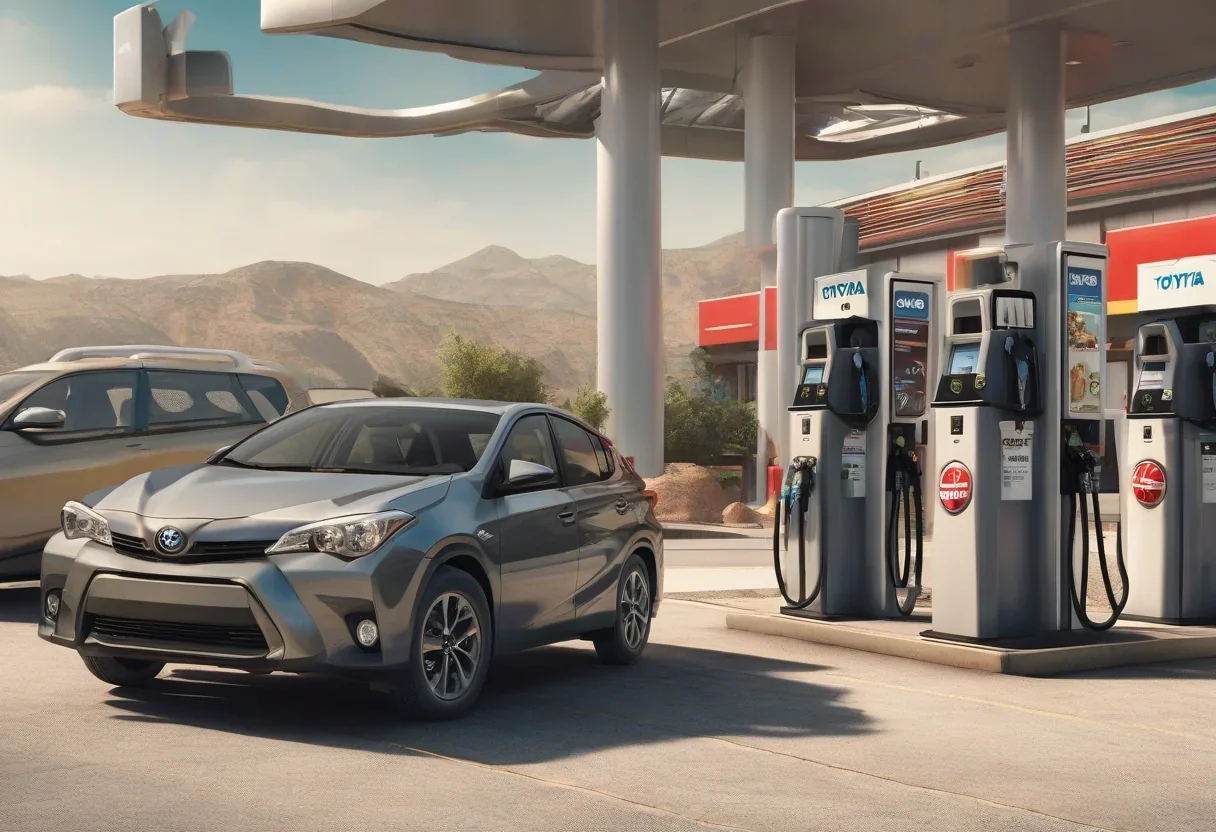
The pilot program uses a fleet of 20 Toyota and BMW vehicles with minimal modifications. The vehicles will only use existing renewable fuel infrastructure for the test, and Repsol’s expertise in this area is crucial to the program’s success.
Bosch’s digital fuel tracking system will be used to support the experiment by certifying the results of the renewable fuel. This system will provide valuable data on the performance and emissions of the vehicles using the renewable fuel.
What are the Implications of the Pilot Program?
The results of the pilot program could have significant implications for the future of sustainable mobility in Europe. If the fuel works in vehicles without a need to significantly retrofit the powertrain, it could be a game-changing development for the automotive industry.
This is especially true for enthusiasts who want to see gas-powered sports cars continue to be produced. Strict emissions regulations in many parts of the globe continue to push the limits of what automakers can do without the addition of electrification.
What Does the Future Hold for Renewable Fuel?
The future of renewable fuel looks promising, especially if the results of the pilot program are positive. The use of 100% renewable gasoline in regular cars could be a significant step towards reducing greenhouse gas emissions and achieving a more sustainable mobility sector.
As the automotive industry continues to evolve, it will be interesting to see how renewable fuel plays a role in the transition to more sustainable mobility solutions.
Frequently Asked Questions
Q: What is the purpose of the pilot program?
The purpose of the pilot program is to demonstrate the viability of 100% renewable gasoline in regular cars and to collect data on the performance and emissions of the vehicles using the renewable fuel.
Q: What type of fuel is being used in the pilot program?
The fuel used in the program is made from RED-compliant feedstocks, such as used cooking oil and tallow. This blend is compatible with the fuel systems in vehicles on the road already, and it results in greenhouse gas reductions compared to traditional fossil fuels.
Q: What are the implications of the pilot program for the automotive industry?
The results of the pilot program could have significant implications for the future of sustainable mobility in Europe. If the fuel works in vehicles without a need to significantly retrofit the powertrain, it could be a game-changing development for the automotive industry.