Suzuki Turns Cow Manure into Fuel for Cars in India
Suzuki-backed project converts cow dung into compressed natural gas to power vehicles in India
Key Takeaways
- India is turning cow manure into compressed natural gas to power vehicles
- Suzuki-backed project processes 88 tons of cattle waste daily, producing renewable CNG
- The project aims to reduce fuel imports and put agricultural waste to work
- India plans to build 1000 new biogas plants to increase production
- Suzuki sees the effort as a way to build out the ecosystem for alternative fuel
What is the Suzuki-backed project?
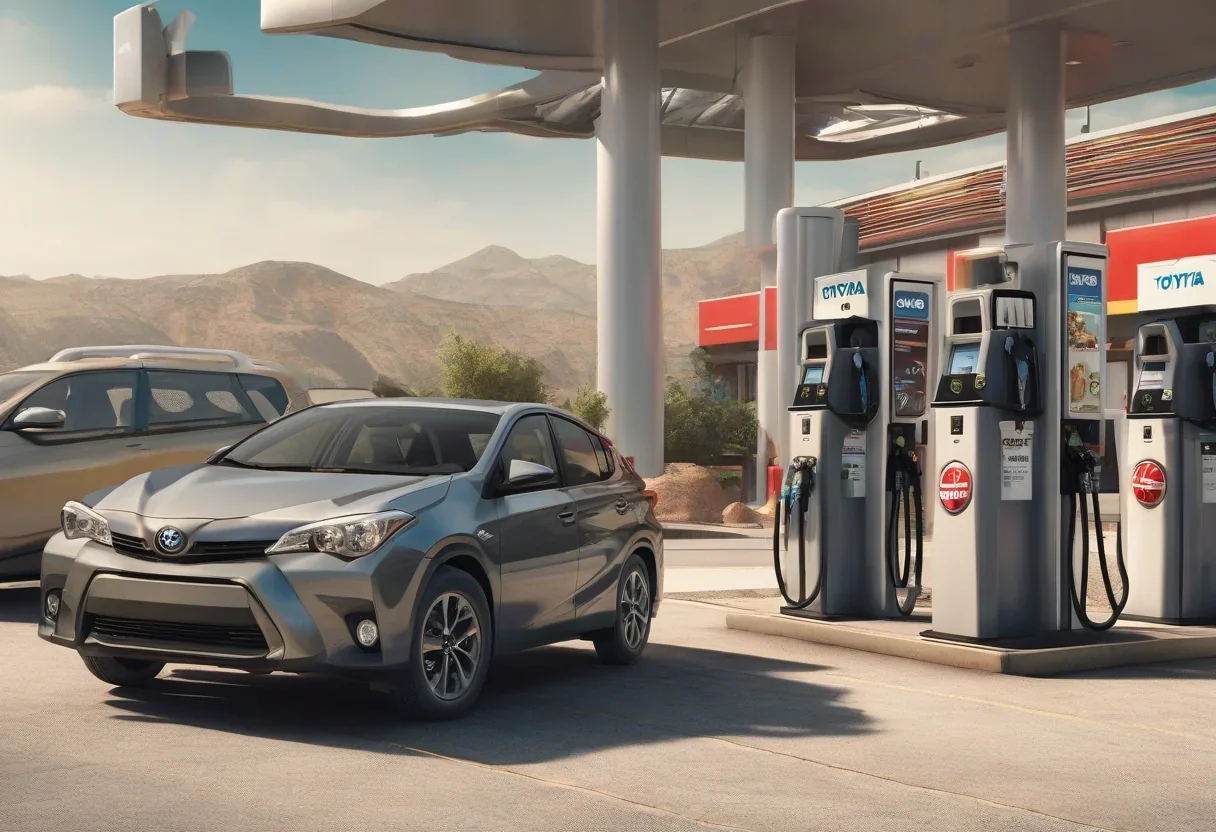
The Suzuki-backed project is a partnership between Suzuki and Banas Dairy, one of Asia’s largest dairy cooperatives. The project processes cattle waste from farmers across 16 villages, producing renewable compressed natural gas that fuels an estimated 600 to 700 vehicles each day.
The project is an example of how India hopes to reduce fuel imports while putting agricultural waste to work. The country is doing all it can to diversify its energy supply following the disruptions caused by the current conflict in the Middle East.
How does the project work?
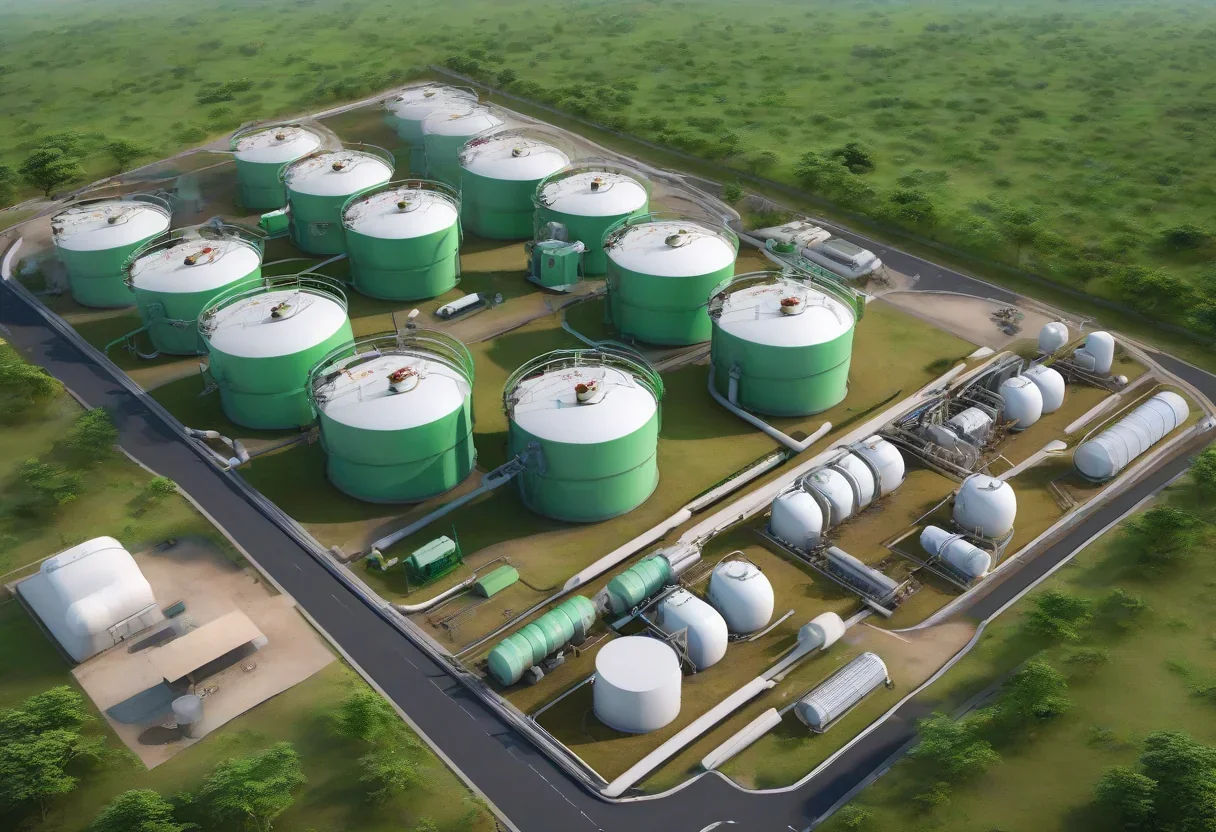
The Banas Suzuki Bio-CNG facility in Gujarat processes roughly 88 tons of cattle waste every day, producing renewable compressed natural gas that sells for around 80 rupees ($0.93) per kilogram. The leftover waste is processed into organic fertilizer and returned to local farms.
The project is a closed-loop system, where the waste is converted into fuel and the leftover waste is used as fertilizer. This approach reduces waste and creates a sustainable energy source.
What are the benefits of the project?
The project has several benefits, including reducing fuel imports and putting agricultural waste to work. The project also provides an alternative energy source for vehicles, which can help reduce greenhouse gas emissions.
The project also benefits local farmers, who earn about one rupee per kilogram of cattle waste supplied. The project also creates jobs and stimulates local economic growth.
What are the challenges of scaling up the project?
Scaling up the project to 1000 new plants won’t be easy. Current biogas production remains only a tiny fraction of overall demand, and building collection networks, processing plants, and distribution infrastructure will require billions in investment.
However, if India can solve those logistical challenges, one of its oldest agricultural byproducts could become an increasingly important part of its transportation future.
How does Suzuki see the project?
Suzuki sees the effort as more than an environmental project. Instead of waiting for fuel suppliers to produce more CNG, it’s trying to build out the ecosystem itself. This approach is similar to Tesla’s Supercharger network, which has played a large role in the EV maker’s success.
Frequently Asked Questions
Q: What is the Suzuki-backed project?
The Suzuki-backed project is a partnership between Suzuki and Banas Dairy, one of Asia’s largest dairy cooperatives. The project processes cattle waste from farmers across 16 villages, producing renewable compressed natural gas that fuels an estimated 600 to 700 vehicles each day.
Q: How does the project work?
The Banas Suzuki Bio-CNG facility in Gujarat processes roughly 88 tons of cattle waste every day, producing renewable compressed natural gas that sells for around 80 rupees ($0.93) per kilogram. The leftover waste is processed into organic fertilizer and returned to local farms.
Q: What are the benefits of the project?
The project has several benefits, including reducing fuel imports and putting agricultural waste to work. The project also provides an alternative energy source for vehicles, which can help reduce greenhouse gas emissions.