Hyundai Workers Strike Over Pay, Job Security Amid Introduction of Humanoid Robots
Hyundai workers in Korea began a partial strike over pay and job security concerns as the company introduces humanoid robots into its factories.
Key Takeaways
- Hyundai workers in Korea are striking over pay and job security concerns.
- The union seeks richer profit sharing and protections for employee income as automation expands.
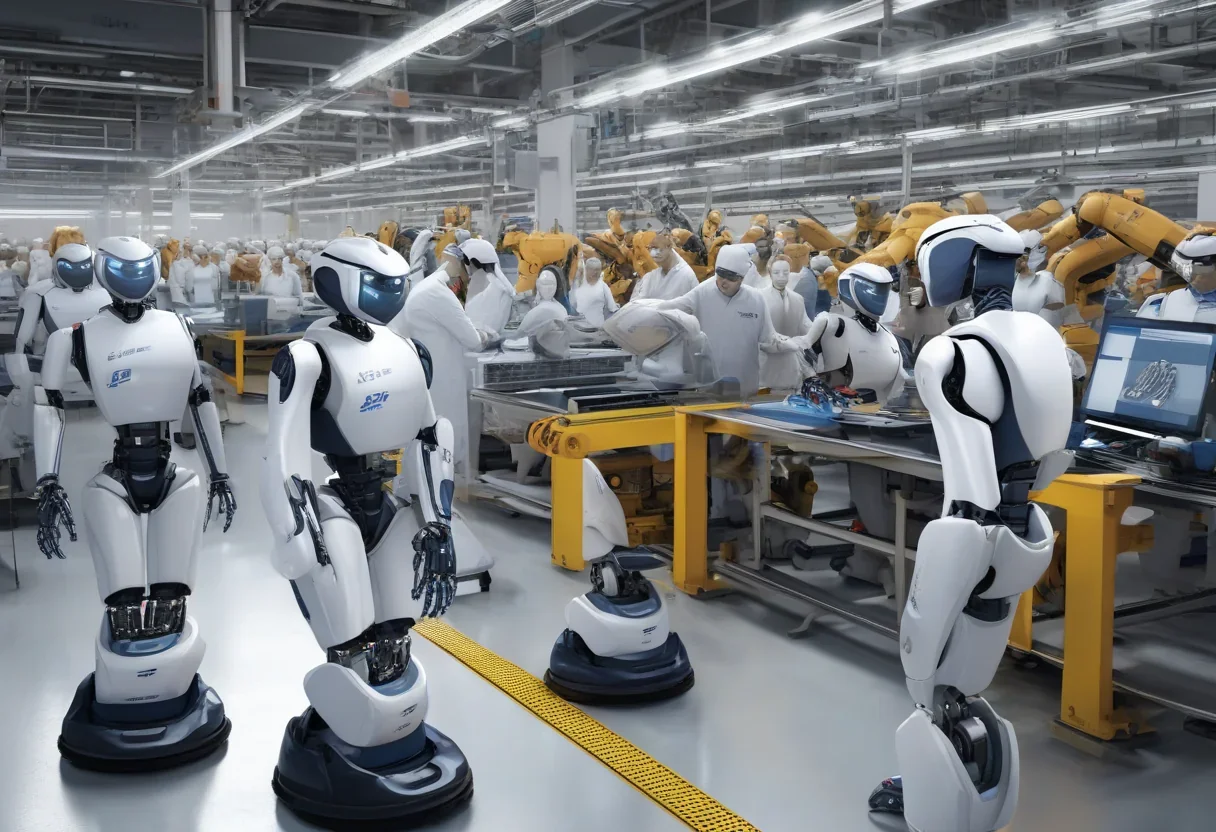
- Hyundai plans to introduce humanoid robots into its US factories starting in 2028.
- The strike is expected to be inconvenient and expensive for Hyundai.
- The company is investing heavily in humanoid robots and AI-powered automation.
What are the main reasons for the strike?
The strike is primarily driven by concerns over pay and job security. The union is seeking a bigger base pay increase, richer bonuses, and a profit-sharing system linked to the company’s annual earnings.
The union also wants formal negotiations before robots are introduced, protections for employee income as automation expands, and an extension of the retirement age from 60 to 65.
How will the introduction of humanoid robots affect Hyundai’s workforce?
The introduction of humanoid robots is expected to boost efficiency, but it also raises concerns about job security. The union is worried that the robots will replace human workers, leading to job losses.
Hyundai plans to introduce the robots into its US factories starting in 2028, with the machines expected to begin with repetitive logistics work before eventually taking on more sophisticated assembly tasks.
How is Hyundai responding to the strike?
Hyundai is not backing down, with domestic production chief Choi Yeong Il warning that past strikes have yielded nothing but irreversible production losses, lost wages, and harsh criticism from customers and the public.
The company will not compensate workers for wages lost during the industrial action.
What are the implications of the strike for Hyundai’s business?
The strike is expected to be inconvenient and expensive for Hyundai, with South Korea remaining the heart of its manufacturing operation. Even relatively short production stoppages can quickly translate into thousands of missing vehicles and hundreds of millions of dollars in lost revenue.
How does Hyundai’s use of humanoid robots compare to other manufacturers?
Hyundai is not alone in its investment in humanoid robots and AI-powered automation. Other manufacturers, including Tesla, Mercedes-Benz, BMW, Toyota, Mitsubishi, BYD, and Chery, are also investing heavily in this technology.
Frequently Asked Questions
Q: What are the main demands of the Hyundai workers’ union?
The union is seeking a bigger base pay increase, richer bonuses, and a profit-sharing system linked to the company’s annual earnings. They also want formal negotiations before robots are introduced, protections for employee income as automation expands, and an extension of the retirement age from 60 to 65.
Q: How will the introduction of humanoid robots affect Hyundai’s workforce?
The introduction of humanoid robots is expected to boost efficiency, but it also raises concerns about job security. The union is worried that the robots will replace human workers, leading to job losses.
Q: How is Hyundai responding to the strike?
Hyundai is not backing down, with domestic production chief Choi Yeong Il warning that past strikes have yielded nothing but irreversible production losses, lost wages, and harsh criticism from customers and the public.