Aston Martin Keeps Its V12 By Promising To Sell Almost None Of It
Aston Martin's V12 engine will survive until 2035 under low-volume exemptions, with the company planning to sell fewer than 1,000 units per year.
Key Takeaways
- Aston Martin’s V12 engine will survive until 2035 under low-volume exemptions.
- The company plans to sell fewer than 1,000 V12 units per year.
- Aston Martin is developing a new modular architecture for future vehicles.
- Mild-hybrid power will replace plans for plug-in hybrid systems.
- The new platform will accommodate multiple body styles and future battery-electric vehicles.
What’s The Future Of The V12 Engine?
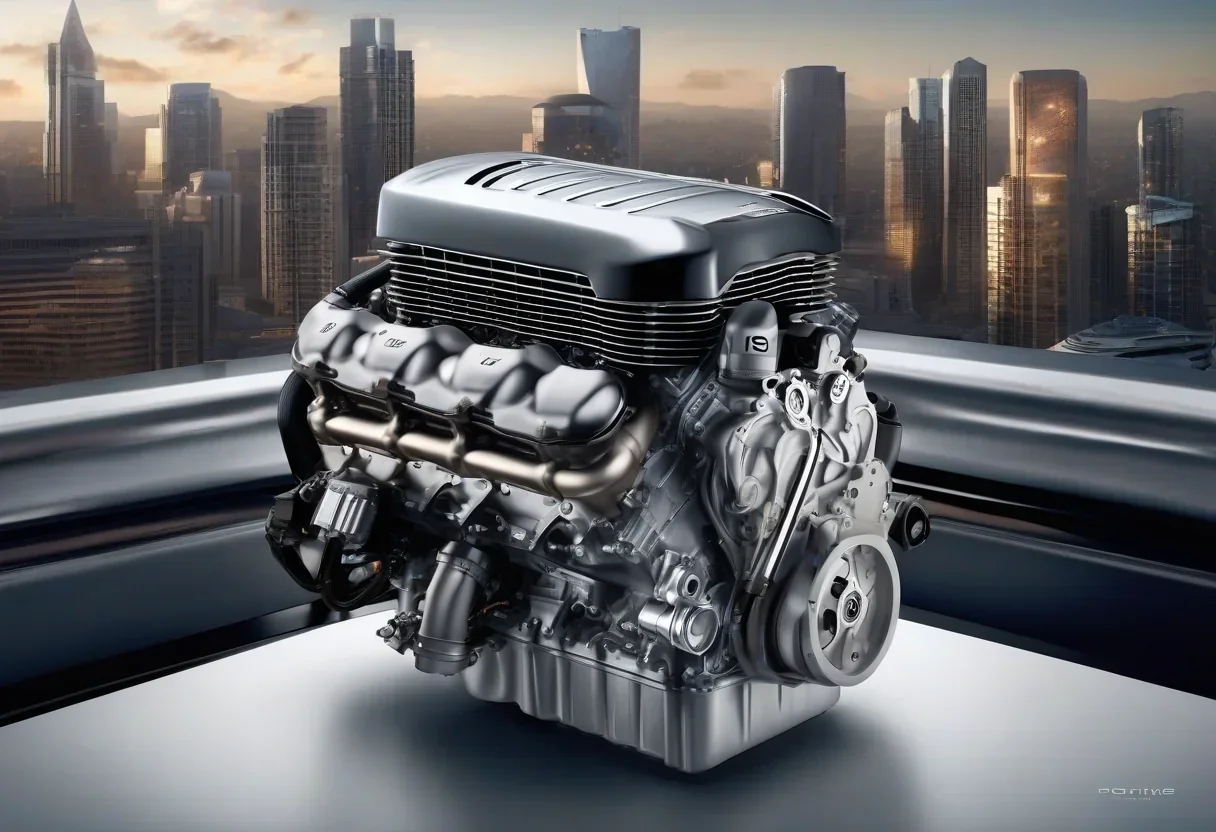
Aston Martin’s iconic 5.2-liter twin-turbocharged V12 engine may have more life left than many expected. According to CEO Adrian Hallmark, the engine survives by staying rare, with the exemption depending on Aston building fewer than 1,000 V12s a year.
This means that the V12 will continue to be produced until 2035, nearly a decade longer than the regulations would otherwise allow.
How Will Aston Martin Simplify Its Business?
Aston Martin is working to simplify its business, improve profitability, and keep its cars feeling unique. The new platform is expected to underpin everything from future grand tourers and SUVs to mid-engined halo cars, creating far greater commonality between models than exists today.
The modular platform is built to accommodate multiple body styles and even future battery-electric vehicles, with sports cars and SUVs sharing far more parts and rolling down the same production line.
What’s The Plan For Electric Vehicles?
Aston Martin expects to improve efficiency in plenty of spaces within the business. The new platform should reduce costs and complexity, and the brand intends to take full advantage of every chance it has to simplify production without losing what makes Aston special.
For the foreseeable future, combustion power stays central to the company’s plans, with mild-hybrid systems improving efficiency and supporting electrically assisted turbochargers.
How Will Aston Martin Improve Efficiency?
Aston Martin is expected to lean on 48-volt mild-hybrid systems that improve efficiency, support electrically assisted turbochargers, power auxiliary functions, and potentially allow limited engine-off running in certain conditions.
The new platform should reduce costs and complexity, and the brand intends to take full advantage of every chance it has to simplify production without losing what makes Aston special.
What’s Next For Aston Martin?
Aston Martin is working to simplify its business, improve profitability, and keep its cars feeling unique. The new platform is expected to underpin everything from future grand tourers and SUVs to mid-engined halo cars, creating far greater commonality between models than exists today.
The company plans to take full advantage of every chance it has to simplify production without losing what makes Aston special, and we wait to see if it can pull that off.
Frequently Asked Questions
Q: Will Aston Martin’s V12 engine survive?
Yes, Aston Martin’s V12 engine will survive until 2035 under low-volume exemptions, with the company planning to sell fewer than 1,000 units per year.
Q: What is Aston Martin’s plan for electric vehicles?
Aston Martin expects to improve efficiency in plenty of spaces within the business, with mild-hybrid systems improving efficiency and supporting electrically assisted turbochargers.
Q: How will Aston Martin simplify its business?
Aston Martin is working to simplify its business, improve profitability, and keep its cars feeling unique, with the new platform expected to underpin everything from future grand tourers and SUVs to mid-engined halo cars.