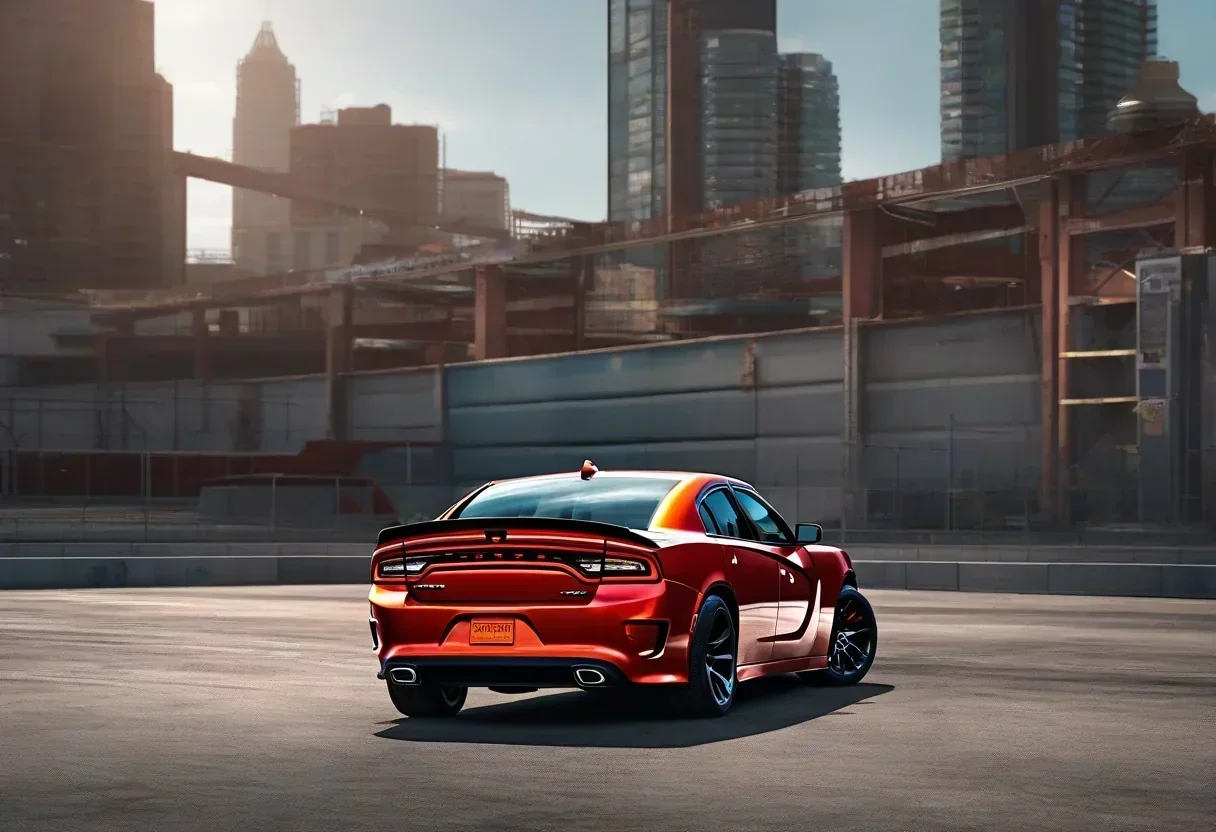
The Dodge Charger Is America’s Slowest-Selling New Car
The Dodge Charger tops America's slowest-selling list with a 385-day supply, giving buyers leverage in negotiations.
Key Takeaways
- The Dodge Charger has the highest inventory days supply in the US market at 385 days.
- Jeep and Dodge dominate the slow-selling mainstream rankings.
- Electric vehicles, such as the Volkswagen ID.4, also feature prominently on the list.
- High inventory levels give buyers more negotiating power.
- Dealers may become more aggressive with incentives to move inventory.
What Does the High Inventory Mean for Buyers?
A high Market Day Supply doesn’t automatically mean a vehicle is unpopular or flawed. It simply measures how long current inventory would last at the recent sales pace.
The higher that number climbs, the more pressure dealers typically face to move inventory. That means if one of these models is already on your shopping list, now may be the time to ask for a better deal instead of paying sticker price.
Why Are These Vehicles Slow-Selling?
According to CarEdge’s July 2026 Market Day Supply (MDS) report, the vehicles sitting the longest aren’t necessarily bad products. Instead, many are caught in shifting market trends, changing consumer tastes, or simply suffering from manufacturers building more inventory than demand currently supports.
Which Other Vehicles Are Slow-Selling?
Jeep accounts for much of the remaining list. The two-door Wrangler carries a 230-day supply, while the Gladiator follows closely at 222 days. The Grand Wagoneer (215 days), Grand Wagoneer L (204 days), and the all-new Cherokee (199 days) also rank among the slowest-selling mainstream vehicles in America.
How Does This Affect the Automotive Market?
For buyers, that’s significant. Wranglers and Gladiators have often commanded strong pricing with little room for negotiation, but elevated inventory changes that equation. Larger, more expensive models like the Grand Wagoneer could be especially attractive if dealers become more aggressive with incentives.
What Does This Mean for the Future of the Automotive Industry?
As the market continues to shift, it will be interesting to see how manufacturers respond to changing consumer demands and inventory levels. One thing is certain, however: buyers who are willing to negotiate may find themselves with a better deal than they expected.
Specifications
| Vehicle | Market Day Supply (MDS) |
|---|---|
| Dodge Charger | 385 days |
| Volkswagen ID.4 | 349 days |
| Jeep Wrangler | 230 days |
| Jeep Gladiator | 222 days |
| Jeep Grand Wagoneer | 215 days |
| Jeep Grand Wagoneer L | 204 days |
| Jeep Cherokee | 199 days |
Frequently Asked Questions
Q: What does Market Day Supply (MDS) mean?
Market Day Supply measures how long current inventory would last at the recent sales pace.
Q: Why are these vehicles slow-selling?
According to CarEdge’s July 2026 Market Day Supply (MDS) report, the vehicles sitting the longest aren’t necessarily bad products. Instead, many are caught in shifting market trends, changing consumer tastes, or simply suffering from manufacturers building more inventory than demand currently supports.
Q: How does this affect the automotive market?
For buyers, that’s significant. Wranglers and Gladiators have often commanded strong pricing with little room for negotiation, but elevated inventory changes that equation. Larger, more expensive models like the Grand Wagoneer could be especially attractive if dealers become more aggressive with incentives.