Aston Martin Delays EVs To Keep The V12 Alive
Aston Martin will continue to produce V12 engines despite emissions regulations and delays its electric vehicle plans until the 2030s.
Key Takeaways
- Aston Martin will continue to produce V12 engines despite strict emissions regulations.
- The company can produce fewer than 1,000 V12s per year to remain exempt from legislation until 2035.
- Aston Martin will delay its electric vehicle plans until the 2030s due to a lack of demand.
- Future Aston models will feature improved dynamics with enhanced refinement and superior turn-in.
- Aston Martin will introduce 48-volt mild-hybrid systems to deliver a slight fuel economy gain.
How Will Aston Martin Keep The V12 Alive?
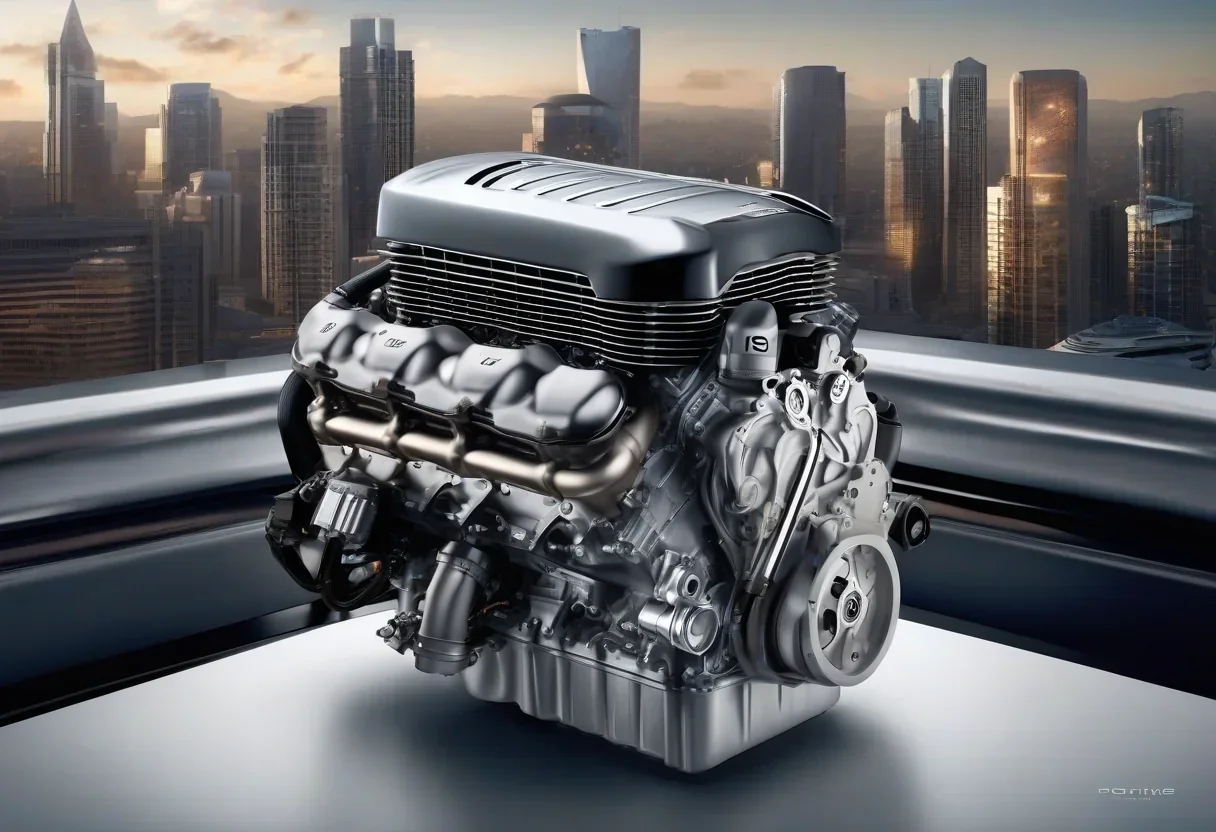
Aston Martin has found a way to keep building the V12 engine despite strict emissions regulations, especially in Europe. The company can produce fewer than 1,000 V12s per year to remain exempt from legislation until 2035.
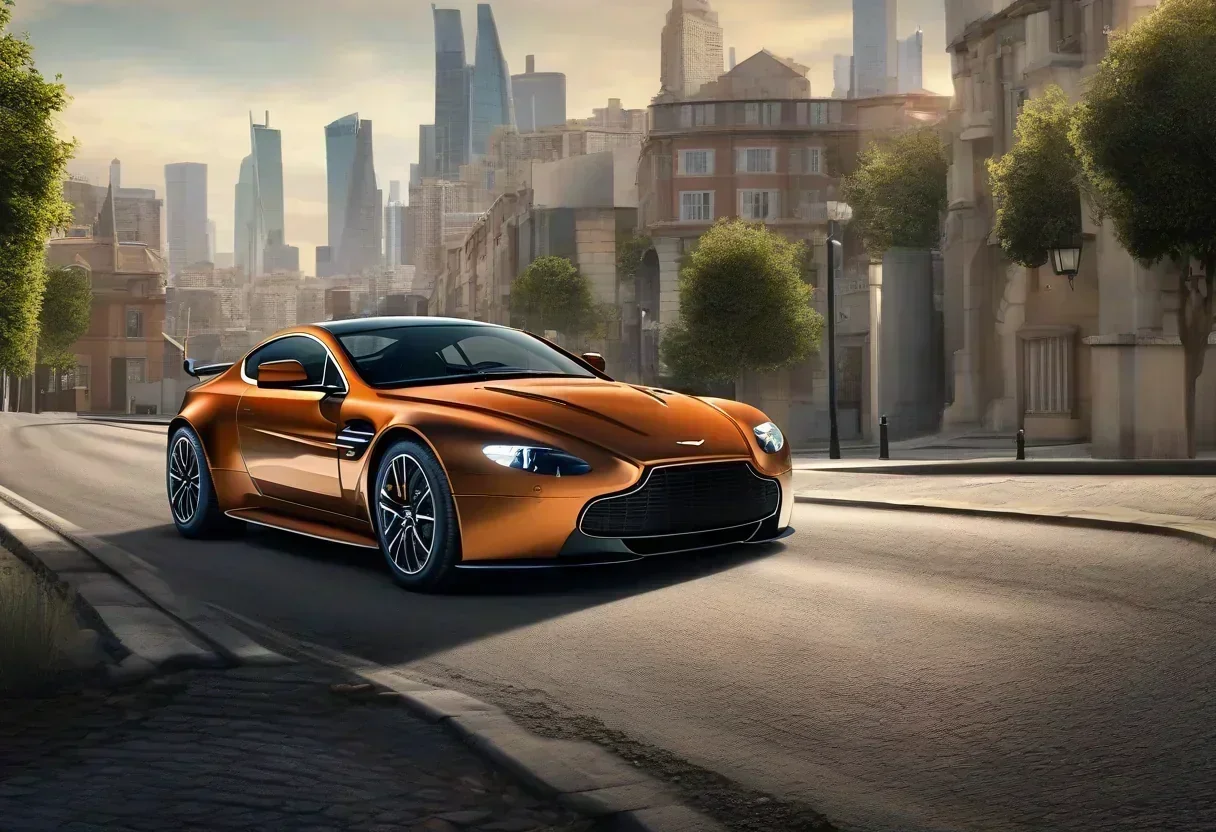
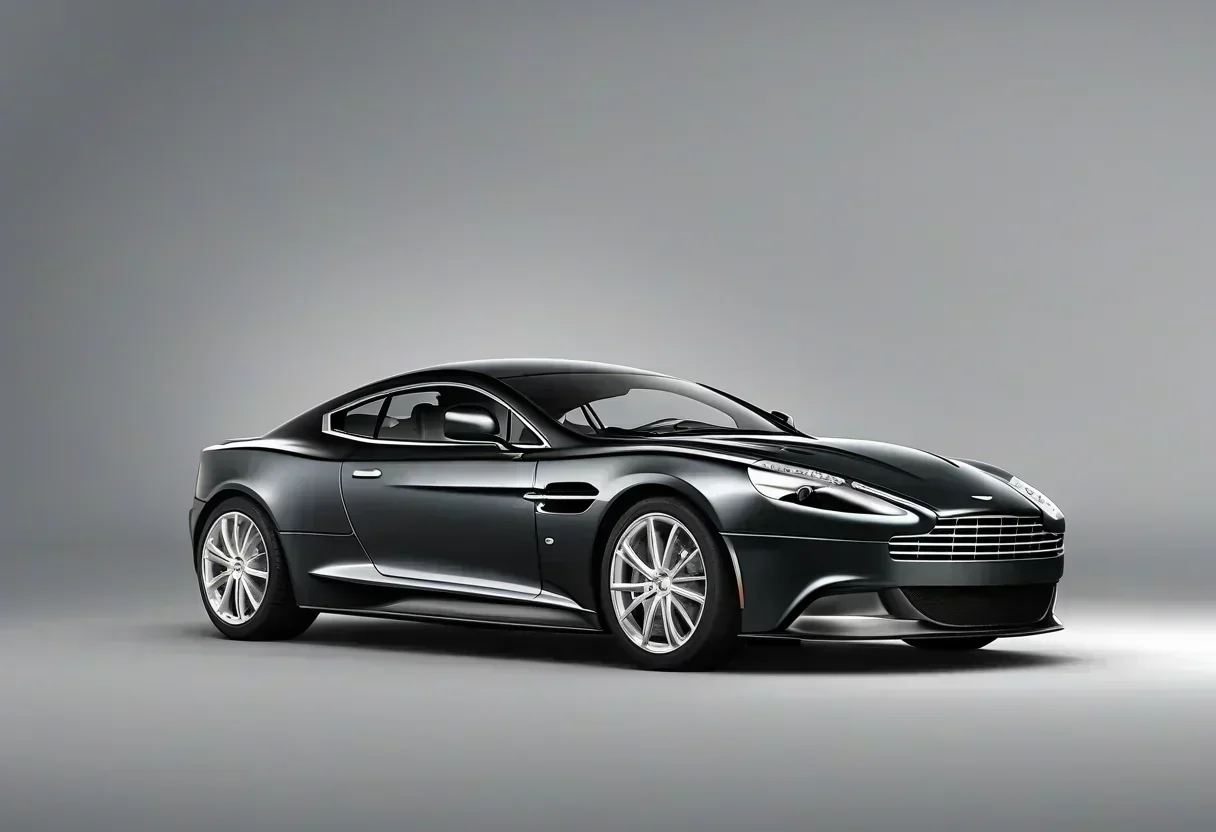
This means that Aston can continue building models like the current Vanquish, and even few-offs like the One 77.
What’s Behind Aston Martin’s EV Delay?
Aston Martin has delayed its electric vehicle plans until the 2030s due to a lack of demand. The company had previously announced plans to partner with Lucid to supply electric powertrains for its upcoming electric vehicles.
However, Aston owners told the company they “hate” EVs, leading to a shift in the company’s plans.
What’s Next For Aston Martin’s Next-Generation Vehicles?
Aston Martin is currently working on its next-generation vehicle platform, which will underpin its future sports cars and SUV models. The new platform will allow Aston Martin to build multiple vehicles ranging from SUVs to supercars all on the same production line.
This will not only cut down on costs but also mean there should be more commonality between these models, which is great for enthusiasts.
How Will Aston Martin’s Next-Generation Vehicles Perform?
Using the current models as a benchmark, the next-generation vehicles should deliver improved rigidity with more bonded aluminum, superior turn-in thanks to rear-wheel steering, and enhanced refinement from stiffer suspension mounting points.
This means that Aston’s already stellar vehicles should become even more fun to drive.
What Does This Mean For The Future Of Aston Martin?
Aston Martin’s decision to delay its electric vehicle plans and continue producing V12 engines is a bold move. The company is clearly committed to its heritage and is willing to take a risk to keep its V12 engines alive.
However, it’s also clear that Aston Martin is not ignoring the future. The company is working on its next-generation vehicle platform and is introducing 48-volt mild-hybrid systems to deliver a slight fuel economy gain.
Frequently Asked Questions
Q: Why is Aston Martin delaying its electric vehicle plans?
Aston Martin is delaying its electric vehicle plans due to a lack of demand. The company’s owners have expressed a strong preference for traditional gasoline-powered vehicles.
Q: How will Aston Martin keep its V12 engines alive?
Aston Martin can produce fewer than 1,000 V12s per year to remain exempt from legislation until 2035.
Q: What’s next for Aston Martin’s next-generation vehicles?
Aston Martin is currently working on its next-generation vehicle platform, which will underpin its future sports cars and SUV models.