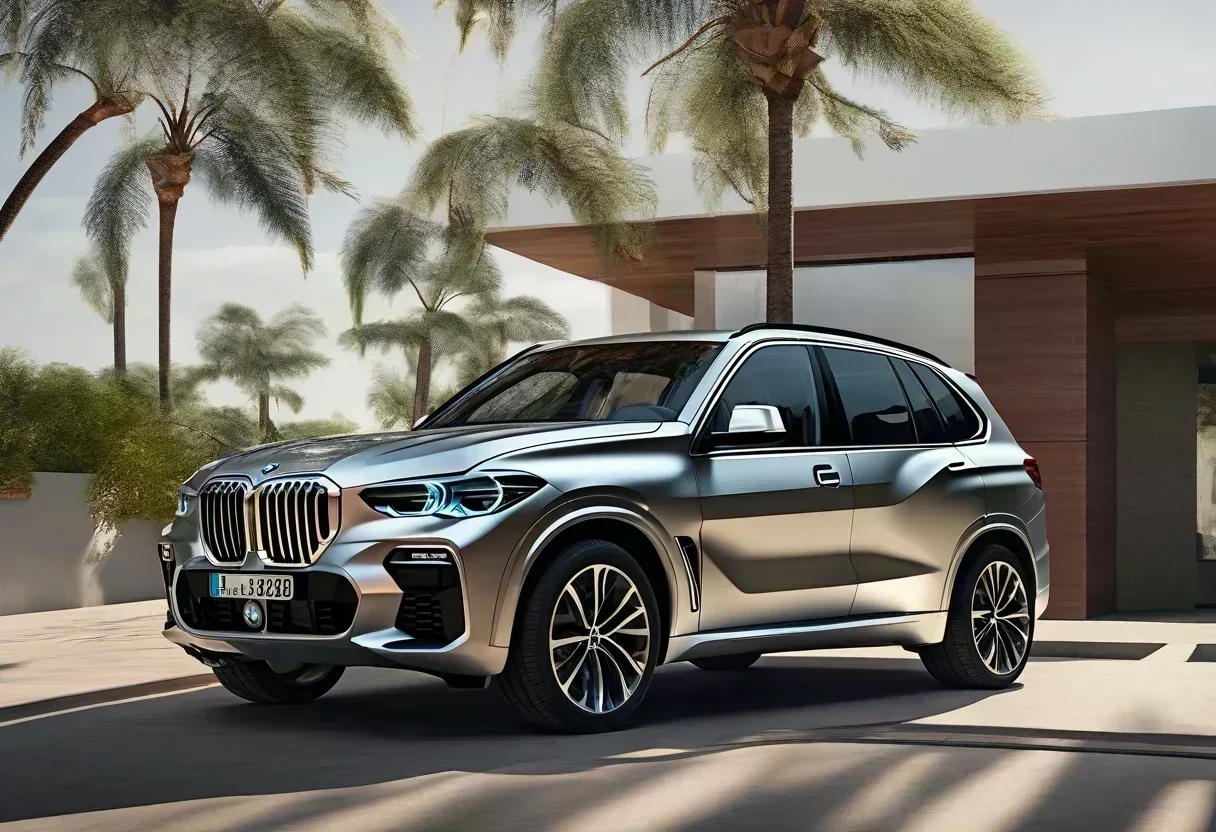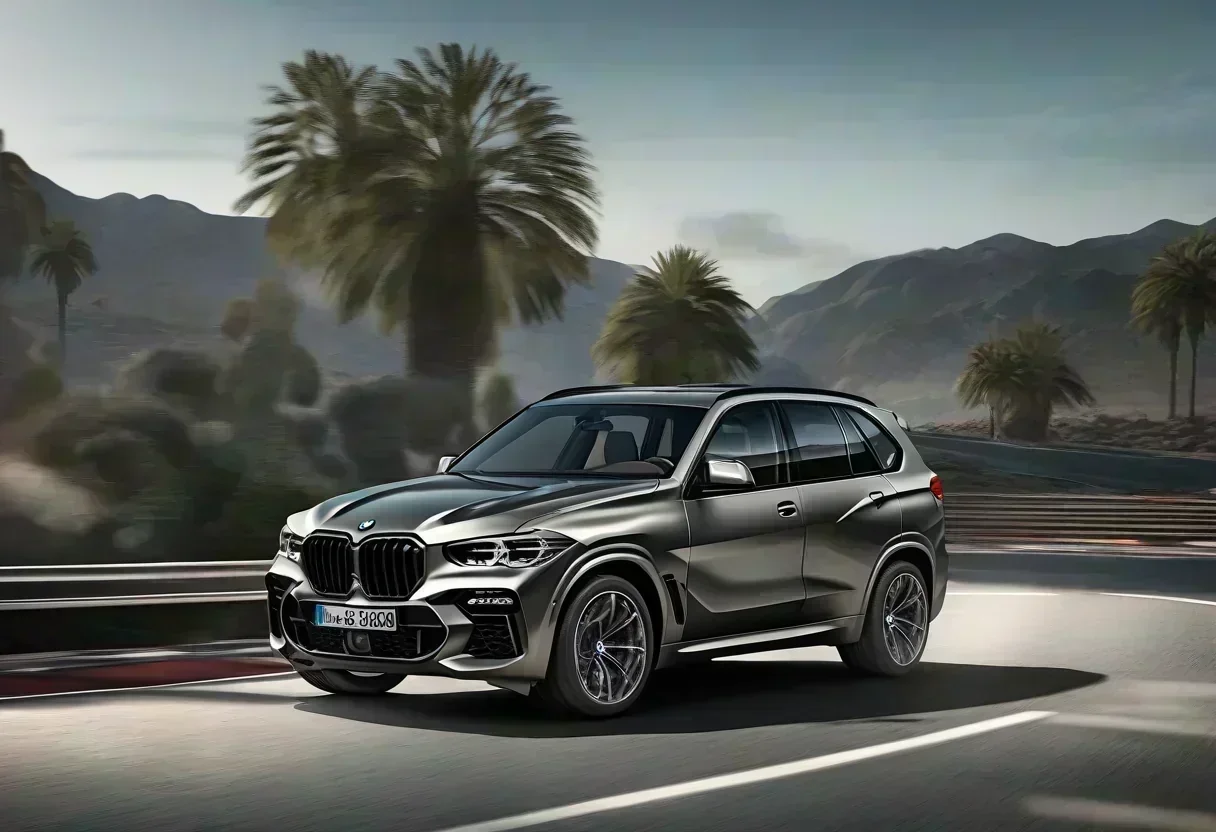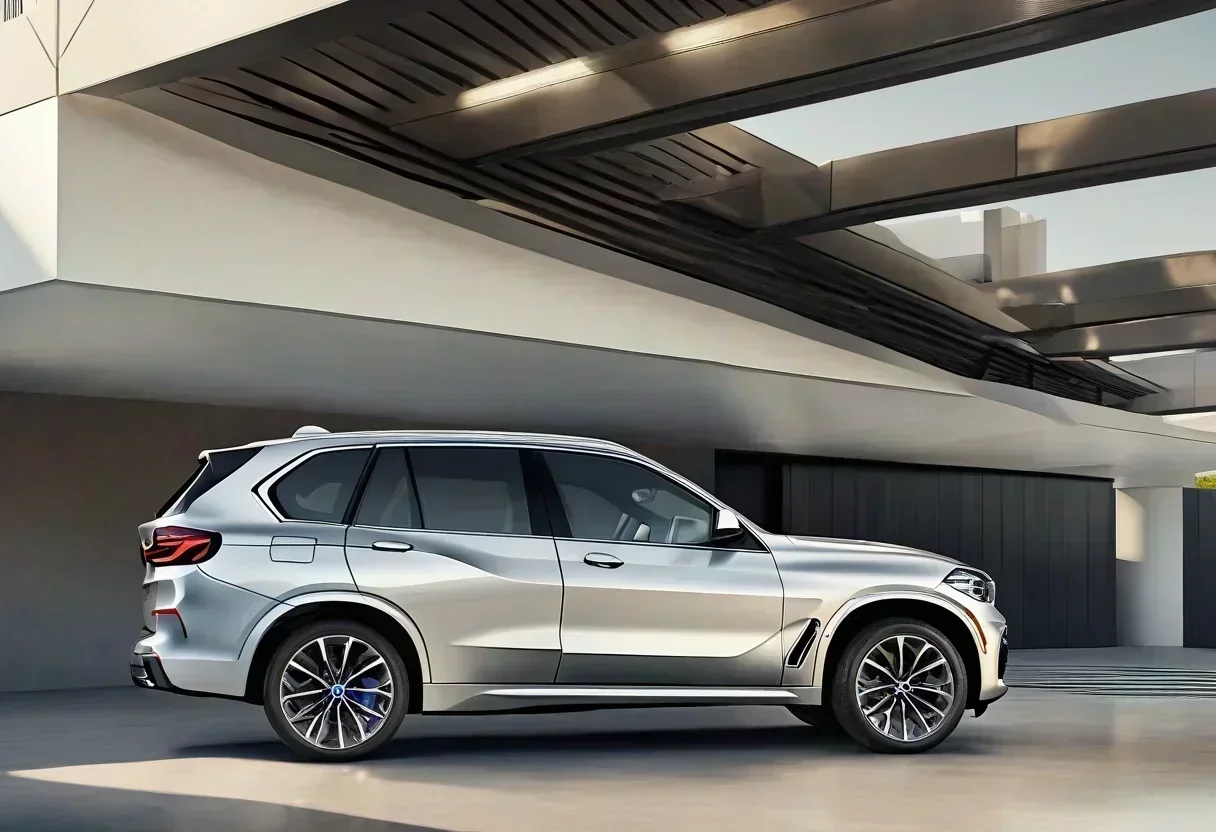
BMW's Technology Agnostic Approach to Powerplants in the New X5
BMW's new X5 offers five different powertrain types, including 48-volt mild hybrids, plug-in hybrids, pure electrics, diesel engines, and a hydrogen fuel cell powertrain.
Key Takeaways
- The new BMW X5 offers five different powertrain types.
- The X5’s architecture is designed to accommodate various powertrains, including 48-volt mild hybrids, plug-in hybrids, pure electrics, diesel engines, and a hydrogen fuel cell powertrain.
- BMW’s technology agnostic approach aims to provide customers with a range of powertrain options without compromising on interior space or luggage compartment.
- The X5’s powertrains will be divided up for various markets based on local needs and regulations.
- The technology agnostic approach is meant to ensure that customers have a BMW at the local dealer that actually interests them.
What is BMW’s Technology Agnostic Approach?
BMW’s technology agnostic approach is a strategy that involves designing a vehicle to accommodate various powertrains, rather than focusing on a single type of powertrain. This approach is meant to provide customers with a range of options and to ensure that the vehicle can adapt to changing market conditions and regulations.
According to Phillip Koehn, vehicle line director for BMW Luxury Class, the technology agnostic approach is a response to the rapidly changing regulatory landscape in the automotive industry. Koehn stated that the approach is meant to prepare the company for success in a volatile market.
How Does the X5’s Architecture Accommodate Various Powertrains?
The X5’s architecture is designed to accommodate various powertrains, including 48-volt mild hybrids, plug-in hybrids, pure electrics, diesel engines, and a hydrogen fuel cell powertrain. The vehicle’s platform is flexible enough to accommodate different powertrains, without compromising on interior space or luggage compartment.
According to Koehn, the X5’s architecture is designed to be modular, allowing different powertrains to be easily integrated into the vehicle. This approach enables BMW to offer a range of powertrain options to customers, without having to design a new vehicle from scratch.
What are the Benefits of the Technology Agnostic Approach?
The technology agnostic approach offers several benefits to customers and BMW. For customers, the approach provides a range of powertrain options, allowing them to choose the one that best suits their needs. For BMW, the approach enables the company to adapt to changing market conditions and regulations, and to offer a competitive product in a rapidly changing market.
According to Koehn, the technology agnostic approach is meant to ensure that customers have a BMW at the local dealer that actually interests them. This approach enables BMW to offer a product that meets the needs of customers in different markets, without having to design a new vehicle from scratch.
What are the Challenges of the Technology Agnostic Approach?
The technology agnostic approach presents several challenges, including the need to design a vehicle that can accommodate different powertrains, without compromising on performance or efficiency. Additionally, the approach requires BMW to invest in a range of powertrain technologies, which can be costly and time-consuming.
According to Koehn, the technology agnostic approach requires a significant investment in research and development, as well as a willingness to take risks and experiment with new technologies. However, Koehn believes that the approach is necessary for BMW to remain competitive in a rapidly changing market.
Specifications
| Specification | Value |
|---|---|
| Powertrains | 48-volt mild hybrids, plug-in hybrids, pure electrics, diesel engines, and a hydrogen fuel cell powertrain |
| Architecture | Modular platform that can accommodate different powertrains |
Frequently Asked Questions
Q: What is BMW’s technology agnostic approach?
A: BMW’s technology agnostic approach is a strategy that involves designing a vehicle to accommodate various powertrains, rather than focusing on a single type of powertrain.
Q: How does the X5’s architecture accommodate various powertrains?
A: The X5’s architecture is designed to be modular, allowing different powertrains to be easily integrated into the vehicle.
Q: What are the benefits of the technology agnostic approach?
A: The technology agnostic approach offers several benefits, including a range of powertrain options for customers and the ability for BMW to adapt to changing market conditions and regulations.