Audi Reverses Course on Screen-Heavy Interiors, Embracing Simpler Design
Audi is shifting away from screen-dominated cabins, focusing on physical controls and premium materials in future models.
Key Takeaways
- Audi is abandoning its screen-heavy interior design approach in favor of a more subtle, tactile experience.
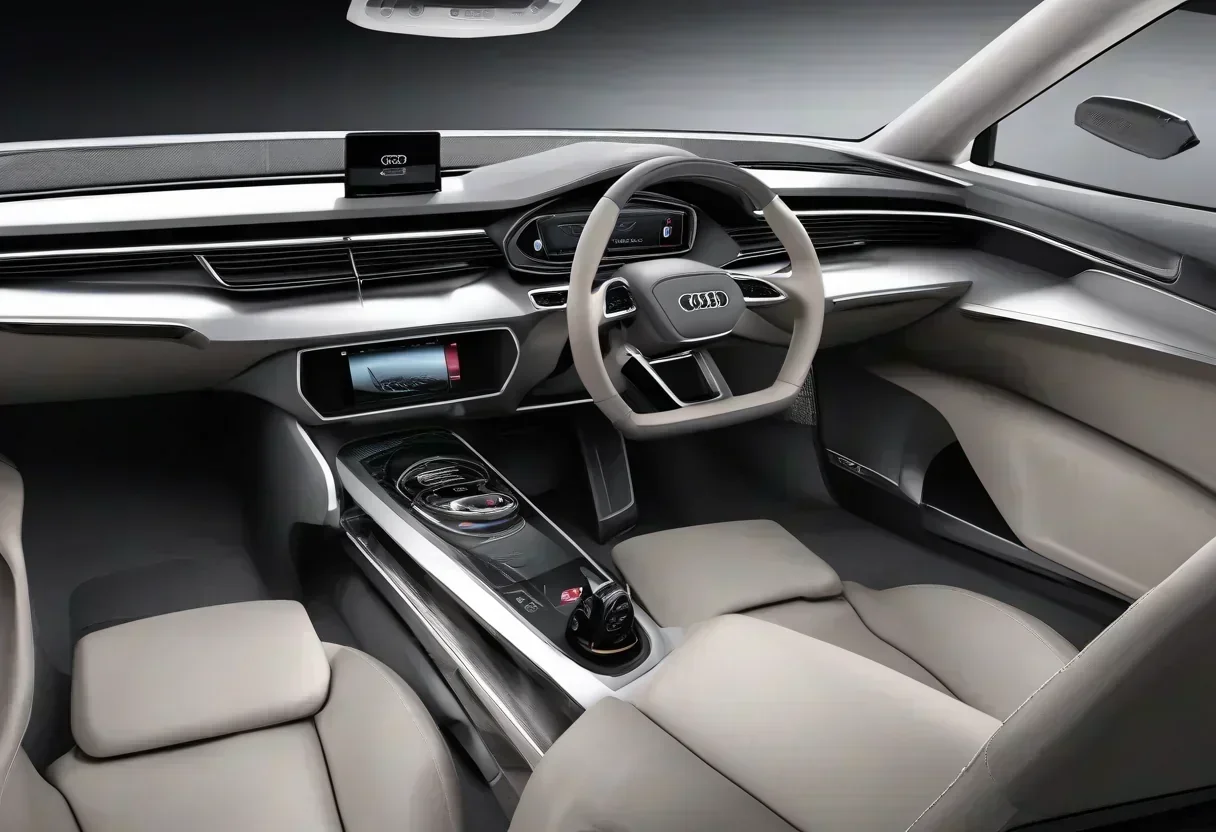
- Future Audi models will feature physical buttons, honest materials, and restrained displays.
- The shift is a response to customer feedback, with many buyers preferring controls that don’t require taking their eyes off the road.
- Audi’s technical chief, Rouven Mohr, emphasized the importance of integrating technology discreetly and providing a “classical Audi click and feel” to physical elements.
- The new design direction is expected to debut in Audi’s next generation of models, arriving in the next two years.
What’s Driving Audi’s Design Shift?
Audi’s decision to move away from screen-heavy interiors is a notable change of direction for the brand. In recent years, Audi has been at the forefront of infotainment development, incorporating the latest technology into its vehicles. However, the company has come to realize that many customers, particularly in Europe, North America, and Australia, still appreciate physical controls that can be used without taking their eyes off the road.
This shift in design philosophy is also likely a response to the evolving competitive landscape. BMW’s new Panoramic iDrive system, for example, features a pillar-to-pillar display stretching across the base of the windshield, while Mercedes has taken a different approach, turning entire dashboards into gigantic digital displays.
How Will Audi’s New Interiors Look and Feel?
Audi’s future interiors will prioritize physical buttons, honest materials, and restrained displays. The company’s technical chief, Rouven Mohr, emphasized the importance of integrating technology discreetly and providing a “classical Audi click and feel” to physical elements. This approach is evident in the recent Nuvolari concept, which features a conventional cowled instrument cluster and a portrait tablet-style display positioned low on the center console.
The TT-like Concept C roadster, which debuted last year, also showcases Audi’s new design direction. The vehicle features a tablet mounted in landscape form on the dash center, along with rotary dials on the steering wheel. Both concepts demonstrate a more subtle approach to interior design, one that balances modernity with a focus on tactile controls and premium materials.
What Does This Mean for Audi’s Future Models?
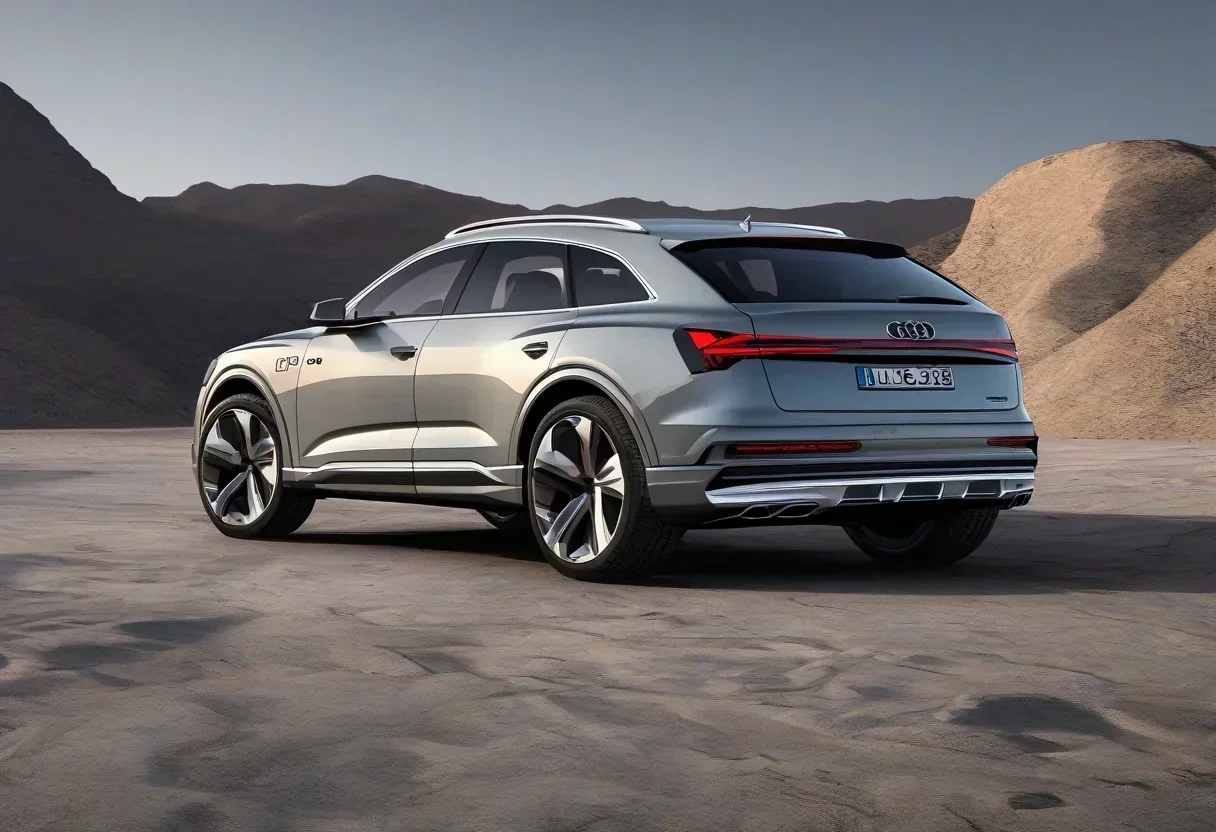
Audi’s next generation of models, arriving in the next two years, will debut the company’s new interior design direction. The new Q7 and Q9, for example, will feature genuine slate trim, reinforcing Audi’s renewed focus on authentic materials. While these models will still incorporate some screen-heavy elements, they will likely serve as a transition to the more subtle, tactile approach that Audi is embracing.
How Does Audi’s New Design Direction Compare to Its Competitors?
Audi’s shift away from screen-heavy interiors is a notable departure from its competitors. BMW’s Panoramic iDrive system, for example, features a large display stretching across the base of the windshield, while Mercedes has taken a more extreme approach, turning entire dashboards into gigantic digital displays. Audi’s more subtle approach may appeal to customers who prefer a more traditional driving experience.
Specifications
| Specification | Value |
|---|---|
| Debut | Next two years |
| Key features | Physical buttons, honest materials, restrained displays |
Frequently Asked Questions
Q: Why is Audi shifting away from screen-heavy interiors?
Audi is responding to customer feedback, with many buyers preferring physical controls that don’t require taking their eyes off the road.
Q: What can we expect from Audi’s future interiors?
Audi’s future interiors will prioritize physical buttons, honest materials, and restrained displays, providing a more subtle, tactile experience.
Q: How does Audi’s new design direction compare to its competitors?
Audi’s approach is more subtle than its competitors, with a focus on physical controls and premium materials, rather than large digital displays.