The Cheapest New Cars Didn’t Get Expensive, Honda And Ford Just Killed Them
Cox Automotive argues that the affordability crisis in the US has less to do with vehicle pricing and more to do with rising costs across nearly every aspect of daily life.
Key Takeaways
- Cox Automotive argues that the affordability crisis in the US has less to do with vehicle pricing and more to do with rising costs across nearly every aspect of daily life.
- Modern vehicles offer more technology, safety, and capability than ever before.
- The industry’s retreat from truly cheap cars is a notable omission in the discussion.
- Today’s base model vehicles are often yesterday’s luxury models.
- The auto industry’s strategy of moving the market upscale has contributed to the affordability crisis.
What’s Driving the Affordability Crisis in the US?
Cox Automotive’s analysis suggests that the affordability crisis in the US is not solely caused by vehicle pricing. Instead, it’s a complex issue driven by rising costs across nearly every aspect of daily life, including housing, insurance, groceries, and borrowing money.
In my experience, this is a nuanced issue that requires a multifaceted approach. While vehicle pricing is certainly a factor, it’s not the only culprit. As the cost of living continues to rise, consumers are being squeezed from all sides, making it increasingly difficult to afford a new vehicle.
How Have Modern Vehicles Changed?
Modern vehicles offer a plethora of features that were previously unavailable or reserved for premium trims. These features include automatic emergency braking, adaptive cruise control, lane-keeping assistance, smartphone integration, and large infotainment screens.
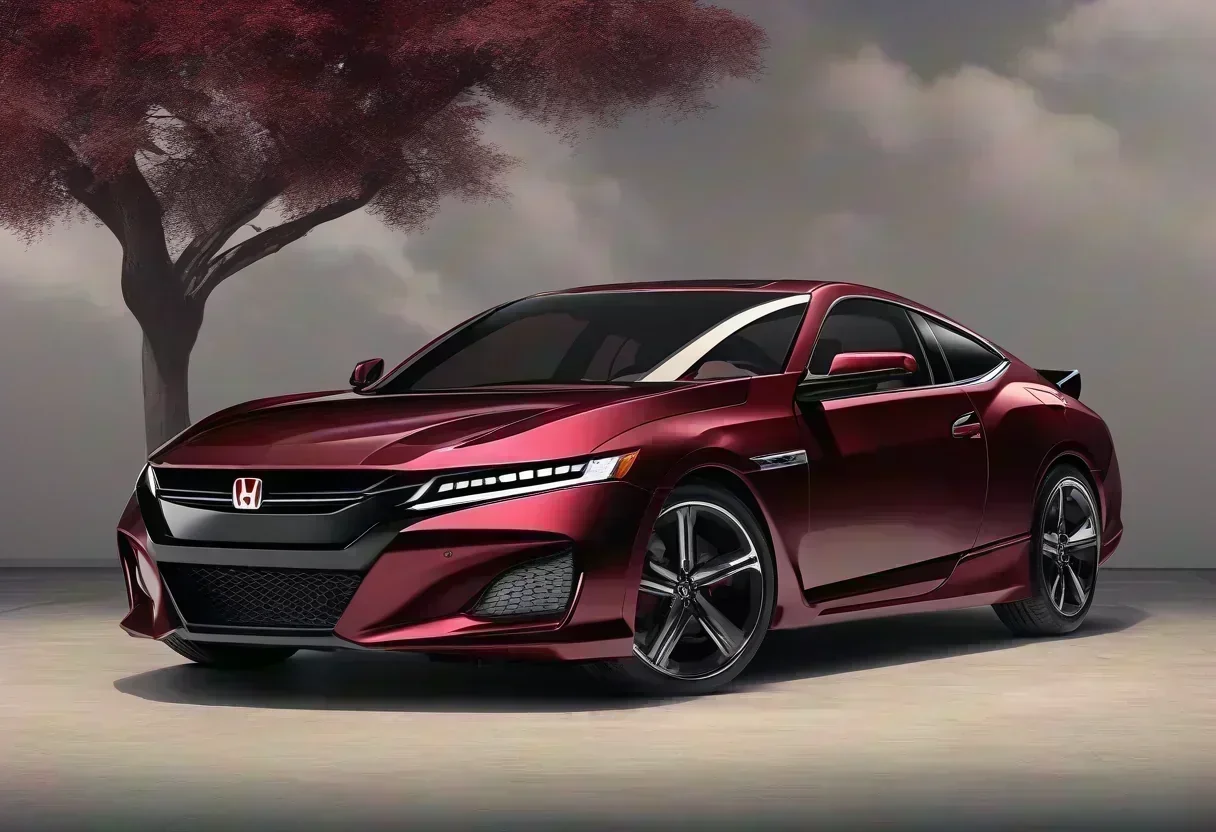
For example, the Honda CR-V has undergone significant changes over the past decade. While it’s nearly $10,000 more expensive than it was a decade ago, it’s also dramatically improved. This raises an important question: are consumers paying more dollars, but getting more vehicle?
What Happened to the Cheapest New Cars?
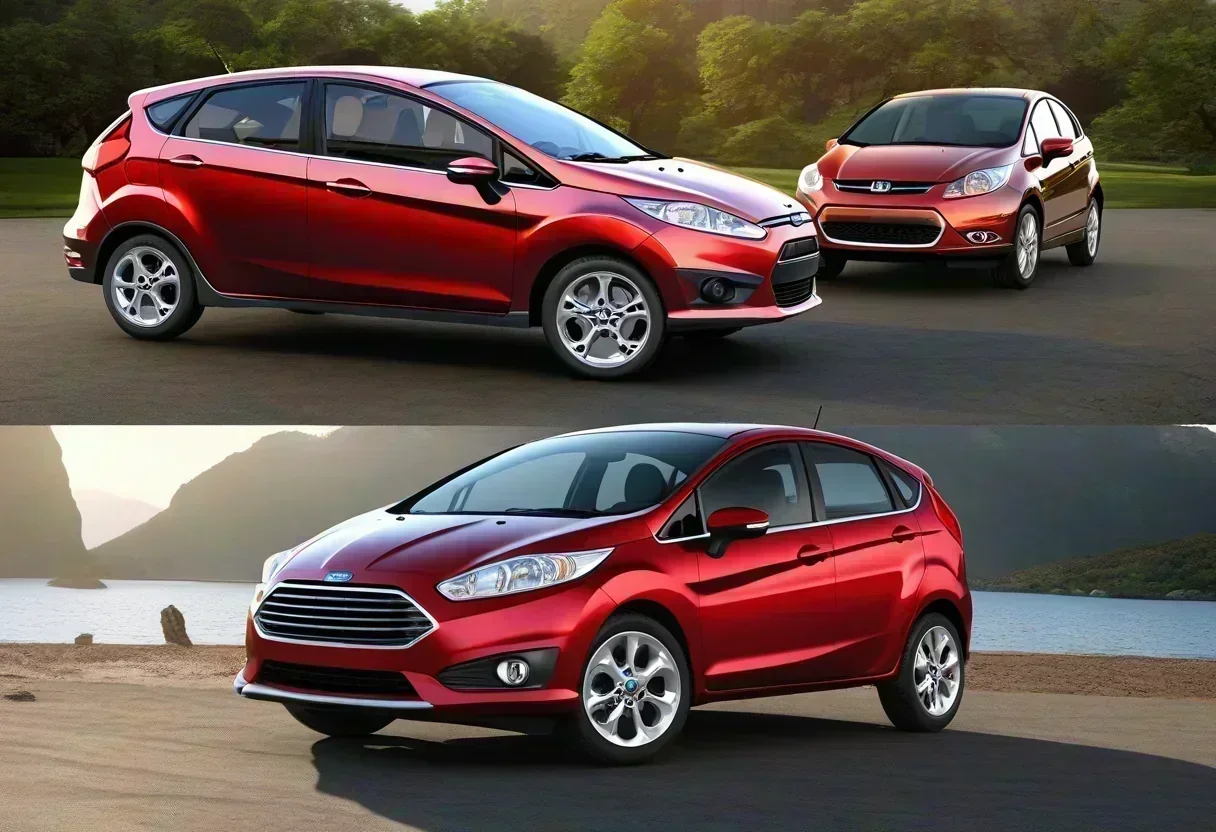
In 2016, automakers offered a range of genuinely inexpensive cars, such as the Honda Fit, Chevrolet Spark, Ford Fiesta, and Nissan Versa. However, these vehicles have largely disappeared from the market.
Even when affordable entry-level trims remain available, they’re often produced in smaller numbers than the better-equipped versions dealers prefer to stock. This has contributed to a lack of low-cost alternatives for consumers.
How Has the Auto Industry Contributed to the Affordability Crisis?
The auto industry’s strategy of moving the market upscale has played a significant role in the affordability crisis. By discontinuing cheap cars and focusing on more expensive models, the industry has limited consumer choice and driven up prices.
This raises important questions about the industry’s role in the affordability crisis. While Cox Automotive’s analysis is compelling, it’s essential to acknowledge the industry’s contribution to the problem.
What’s the Impact on Consumers?
The affordability crisis has significant implications for consumers. As the cost of living continues to rise, consumers are being forced to make difficult choices about how to allocate their limited budgets.
In my experience, this can have far-reaching consequences, from delayed purchases to reduced consumer spending. As the industry continues to evolve, it’s essential to prioritize affordability and provide consumers with a range of options to suit their budgets.
Frequently Asked Questions
Q: What’s driving the affordability crisis in the US?
The affordability crisis in the US is driven by rising costs across nearly every aspect of daily life, including housing, insurance, groceries, and borrowing money.
Q: How have modern vehicles changed?
Modern vehicles offer a range of features that were previously unavailable or reserved for premium trims, including automatic emergency braking, adaptive cruise control, and large infotainment screens.
Q: What happened to the cheapest new cars?
The cheapest new cars have largely disappeared from the market, with automakers focusing on more expensive models and discontinuing cheap cars.