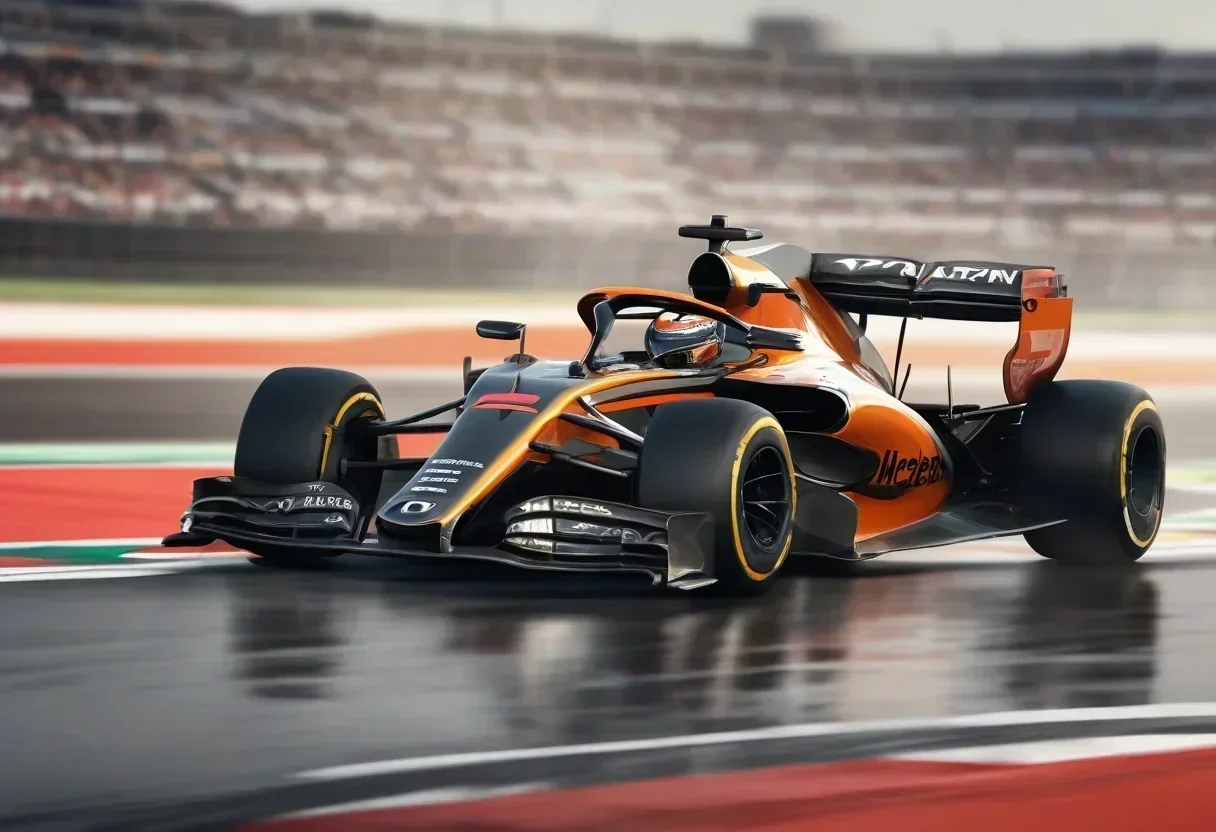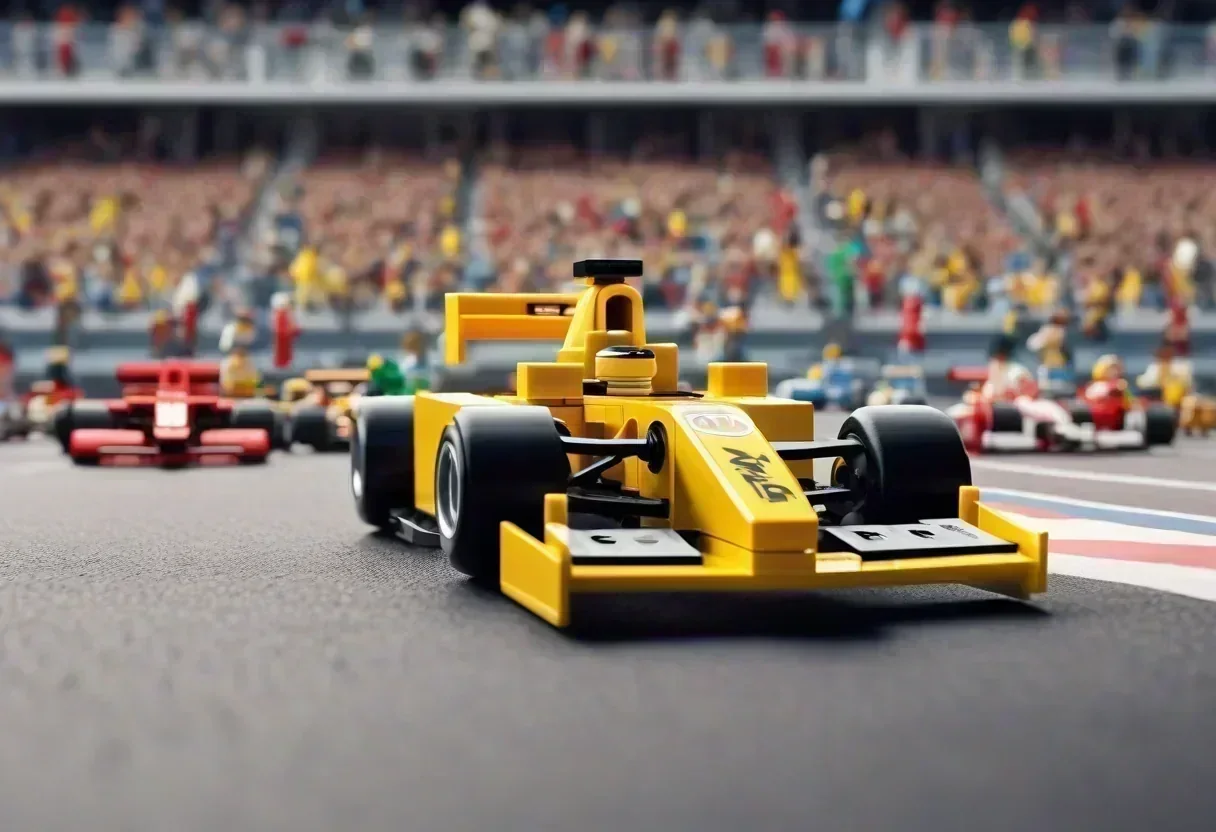
Lego F1 Minicars Return to the Grid with a Bigger, Faster Parade
Lego and Formula 1's joint marketing efforts continue with a larger-than-ever Drivers' Parade at Silverstone, featuring 22 drivable Lego minicars, each made with 28,000 pieces and reaching speeds of up to 15.5 mph.
Key Takeaways
- More than twice as many drivable Lego vehicles will be at the U.K. race this weekend compared with last year’s event in Miami.
- The new Lego F1 minicars are smaller and made with fewer bricks, but their top speed is now a blazing 15.5 mph.
- Lego and F1 have worked together for almost three decades, and everything from model kits for kids to brick-built trophies is part of the story.
- Each Lego F1 minicar weighs around 617 pounds, of which around 143 pounds are Lego bricks.
- The 2026 Lego Drivers’ Parade is scheduled to take place around two hours before the race starts on Sunday.
What’s New with the Lego F1 Minicars?
This year, Lego is going both bigger with the number of vehicles and smaller with the cars themselves. The Lego Drivers’ Parade 2.0 will see more than double the number of cars, 22, allowing each driver to pilot their own.
The go-kart-like vehicles also move at slightly faster speeds, now up to a blazing 15.5 mph. Lego said that the new minicars are made with 28,000 pieces each and “other components” that allow them to drive, including standard go-kart wheels.
How Do the New Minicars Compare to Last Year’s Models?
Last year, Lego brought 10 drivable F1 cars to the Miami Grand Prix, and all 20 drivers on the grid were able to feel the wind from inside a pile of ABS plastic as they cruised on the track at speeds of up to 12.5 mph.
These “big-build Formula 1 cars” were almost 1:1 scale, and each required almost 400,000 Lego pieces to build. For functionality, they also had things like Pirelli Slick Tires and other drive components so that, in the end, around 2204 pounds of the big build cars’ 3306-pound weight was Lego bricks.
What’s the History Behind the Lego and F1 Partnership?
Lego and F1 enjoy their longstanding brand partnership, which started in 1998. At last year’s Silverstone race, Lego brought in full-size, brick-built Royal Automobile Club replica trophies for the winners.
The partnership means that toy store aisles across the world now offer Lego F1 model kits of varying complexity and price points, from $12 McLaren race cars to larger, Technics models of the cars that cost around $220–$230.
What Can We Expect from the 2026 Lego Drivers’ Parade?
The enjoyable and chaotic parade/race from last year should feature more action this time. The two drivers for each team were forced to share space in the big-build cars in 2025, but for 2026, the go-kart size will give each driver control of their own four wheels.
The 2026 Lego Drivers’ Parade is scheduled to take place around two hours before the race starts on Sunday, so expect more laughs before the competition gets serious.
Frequently Asked Questions
Q: How many drivable Lego vehicles will be at the U.K. race this weekend?
More than twice as many drivable Lego vehicles will be at the U.K. race this weekend compared with last year’s event in Miami, with a total of 22 cars.
Q: What is the top speed of the new Lego F1 minicars?
The new Lego F1 minicars have a top speed of 15.5 mph, slightly faster than last year’s models.
Q: How long has Lego and F1 been working together?
Lego and F1 have worked together for almost three decades, starting in 1998.