Russia's Bootleg BMWs: A Hodgepodge of Leftover Parts
BMW wants nothing to do with these SUVs, but buyers keep lining up and paying a fortune for something the automaker can't vouch for
Key Takeaways
- Russia sold 145 locally built BMWs in 2025 despite the brand’s 2022 exit.
- The X5, X6, and X7 use parts left behind after production stopped.
- Sellers present the dead BMW software as a feature rather than a flaw.
- BMW has openly distanced itself from the entire situation.
- Buyers are lining up to pay a fortune for these bootleg cars.
What’s Behind the Bootleg BMWs?
When Russia attacked Ukraine in 2022, the automotive industry in the region changed almost overnight. BMW was one of the many brands that ended production and sales there. That left the workers at the Avtotor Kaliningrad facility, where BMWs were made, with a bunch of parts and not much to do with them.
It turns out, some of them decided to build cars with those leftover parts anyway. Last year, they sold 145 of them, and that’s not even the weirdest part of this “bootleg BMW” situation.
A Hodgepodge of Old Parts
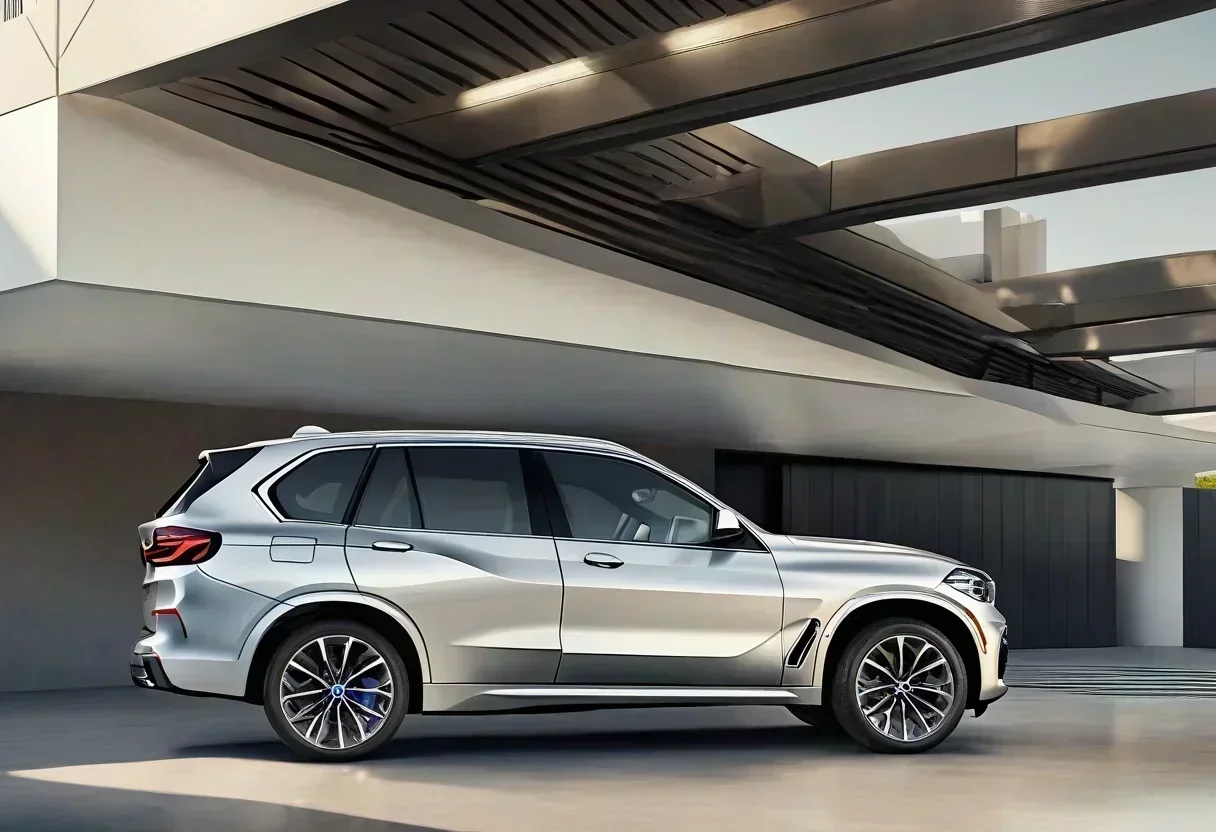
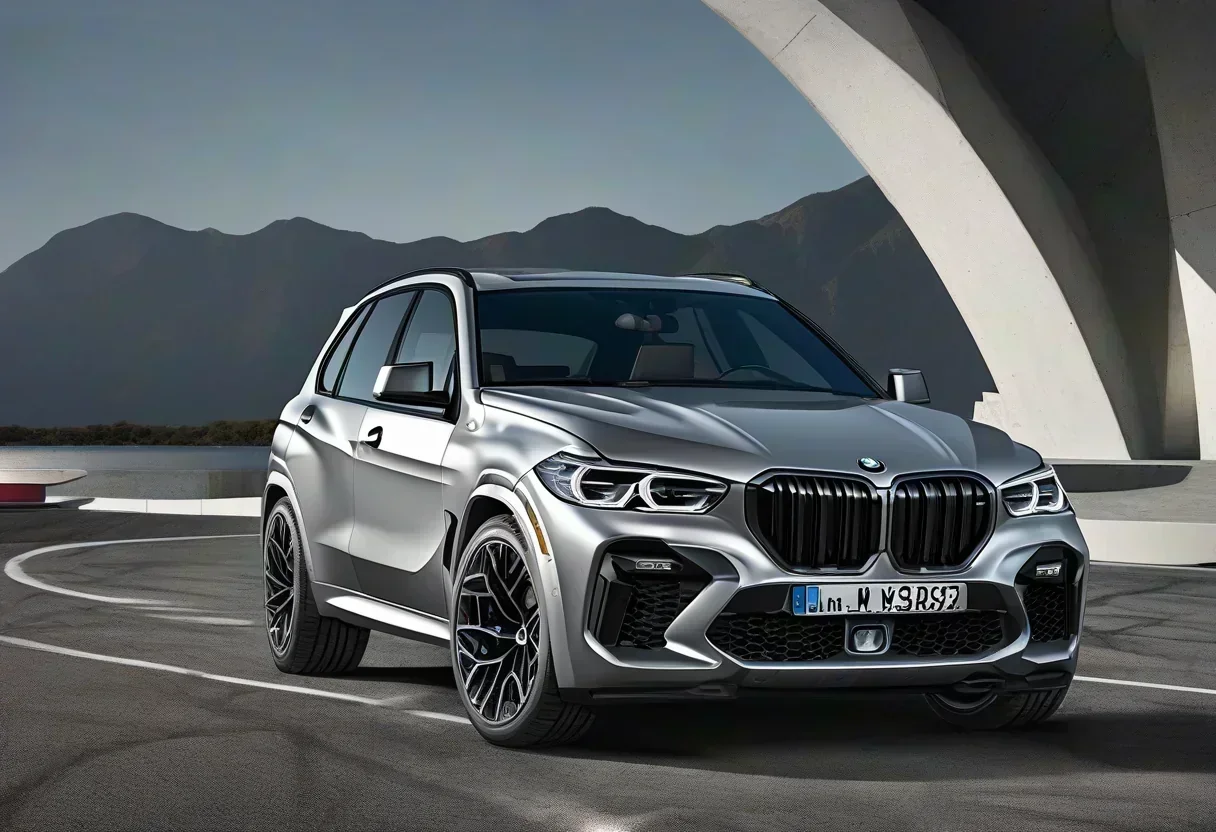
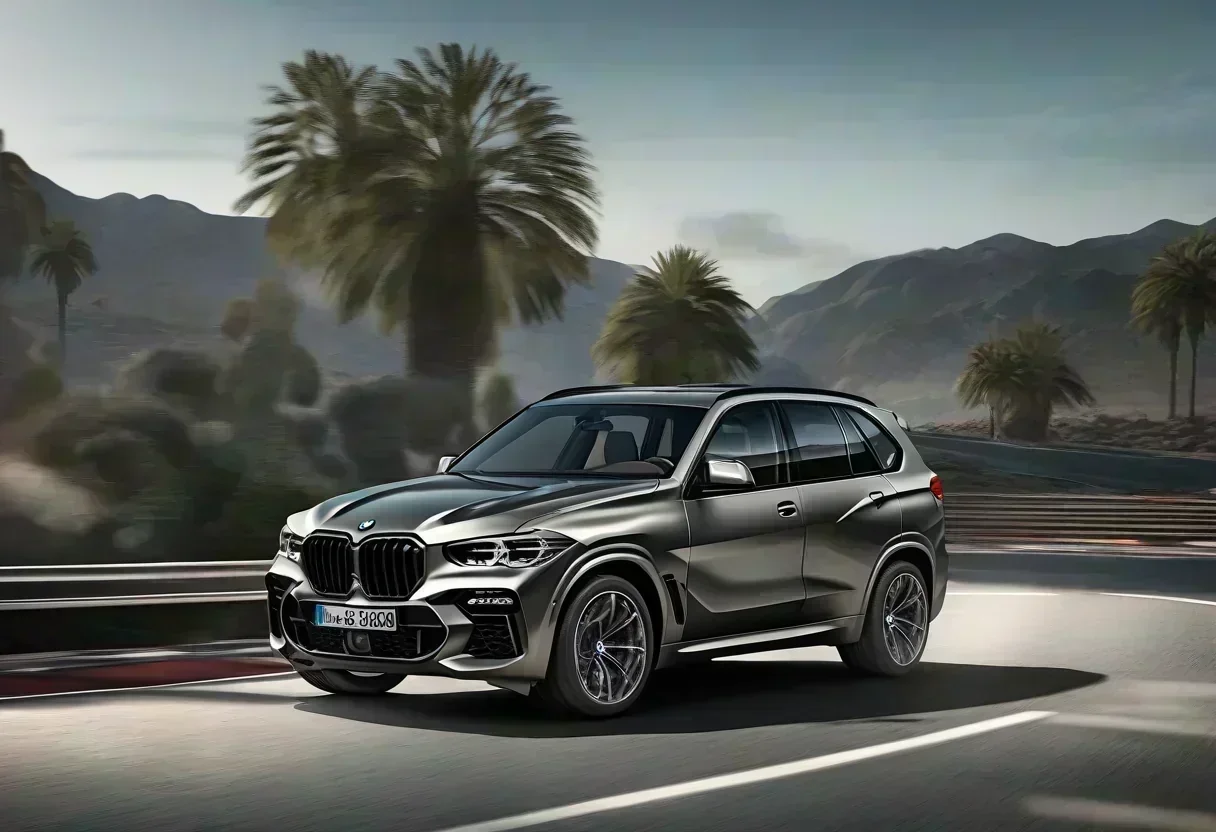
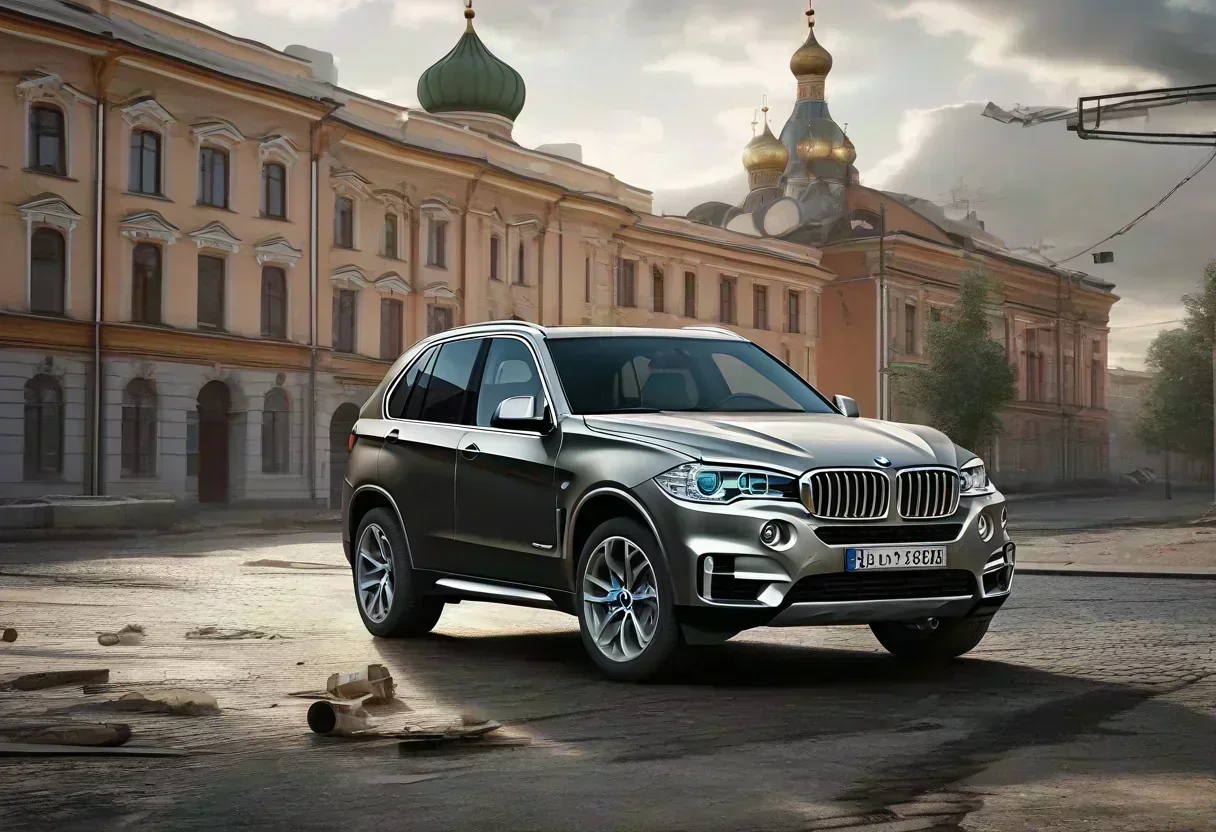
The SUVs being assembled include the X5, X6, and X7. Interestingly, they retain the styling of pre-facelift 2022 models even though they are being registered as 2025 and 2026 vehicles.
Reports from Russia suggest some locally sourced parts, including wiring harnesses, hoses, rubber components, and painted body panels, are now being incorporated into the assembly process as original inventories dwindle.
No Oversight, No Guarantees
BMW has openly distanced itself from the entire situation. The company says Avtotor “began producing limited batches of BMW cars in 2025, assembling vehicles from old, partially outdated kits that had remained at its disposal since the termination of cooperation in 2022,” adding that the unauthorized production has continued “on an irregular basis to date.”
Carolin Bachmann, a spokesperson for the BMW Group, told RFE/RL that “to address and mitigate the risks associated with the purchase and use of these unauthorized vehicles, we have briefed all parties involved, including public authorities, retailers and potential customers, and clarified the circumstances.”
Buyers Are Lining Up Anyway
The wildest part might be how much people are paying for these bootleg cars. Reports and some websites show that pricing starts between 11.9 and 12.9 million rubles (about $154,000 and $167,000 at current rates) for base versions.
Even so, these locally built SUVs come in tens of thousands of dollars, or millions of rubles, cheaper than equivalent gray-market imports. Sellers have even spun the disconnected software as a selling point, claiming the cars can’t be remotely disabled through BMW’s official systems.
Frequently Asked Questions
Q: How many bootleg BMWs were sold in Russia in 2025?
A: 145 locally built BMWs were sold in Russia in 2025 despite the brand’s 2022 exit.
Q: What models are being assembled with leftover parts?
A: The SUVs being assembled include the X5, X6, and X7.
Q: How much are buyers paying for these bootleg cars?
A: Pricing starts between 11.9 and 12.9 million rubles (about $154,000 and $167,000 at current rates) for base versions.