Honda and Nissan Partnership Nears Announcement, Says Honda President
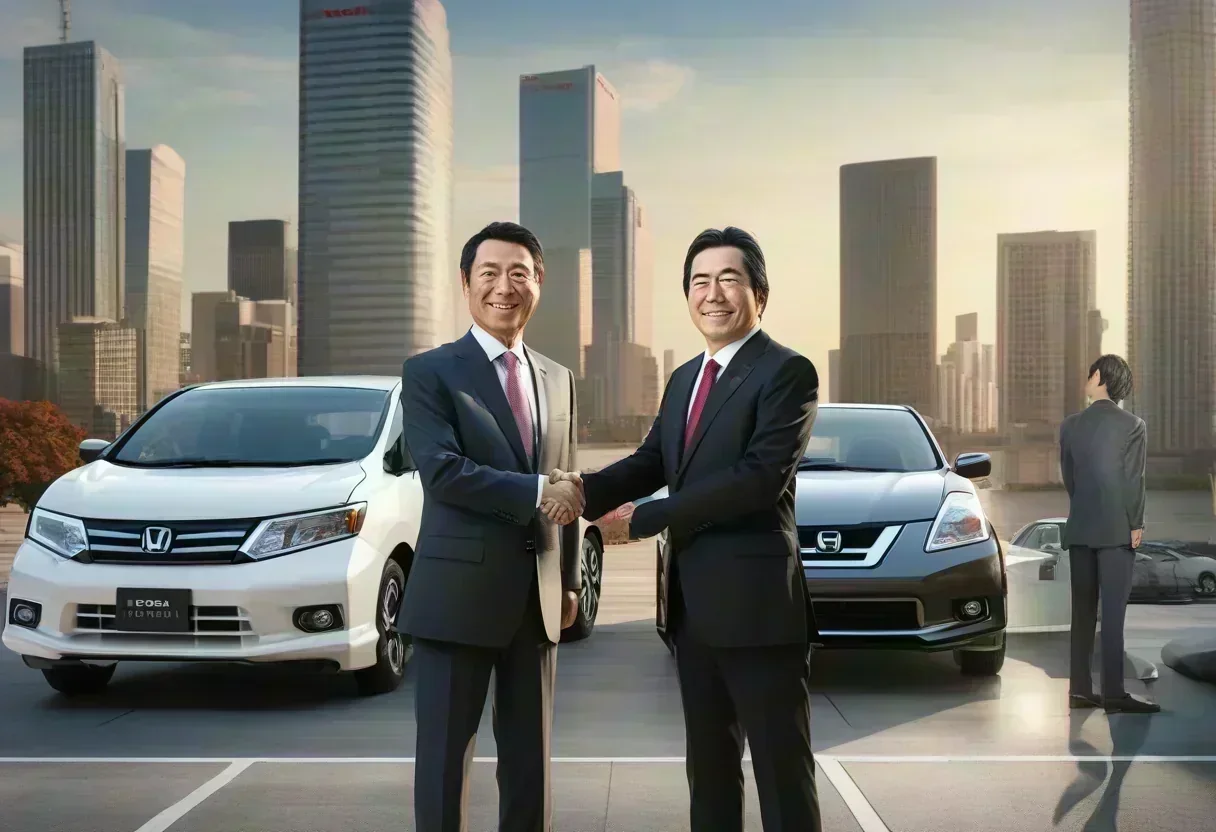
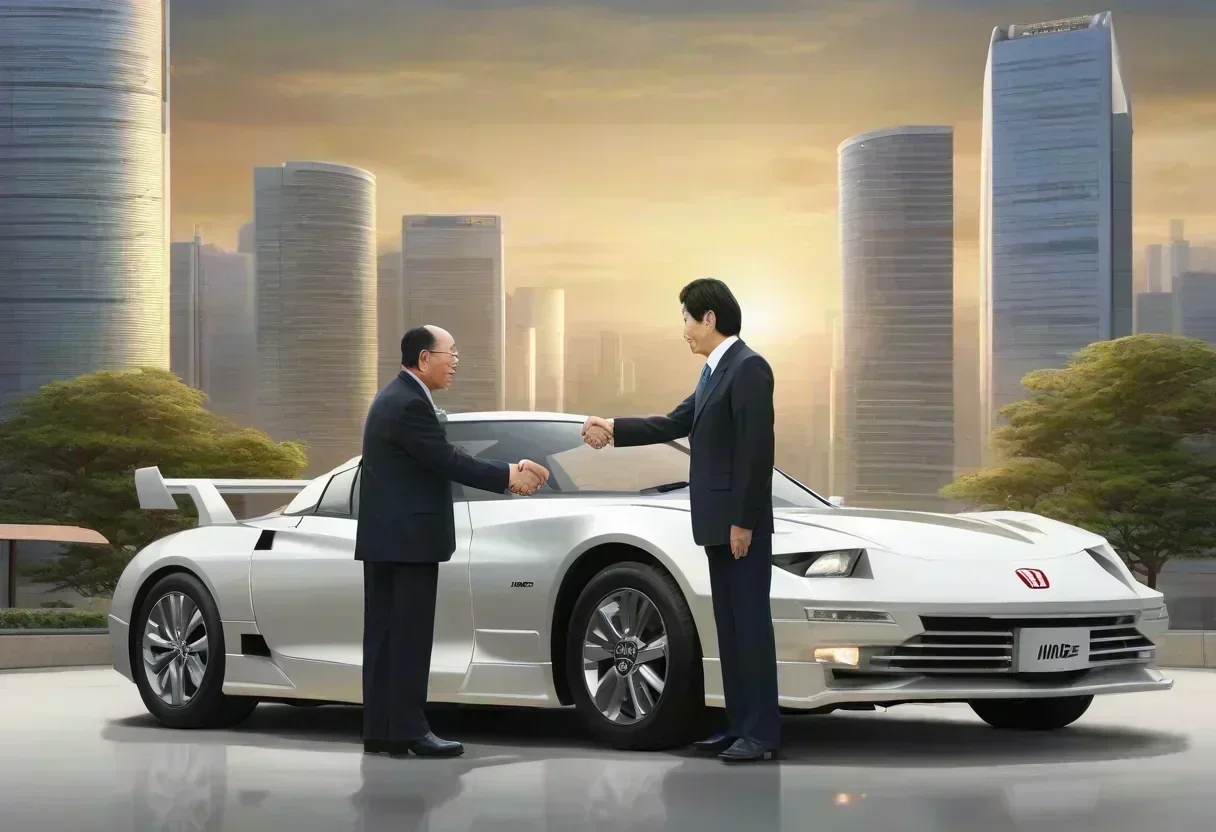
Honda president Toshihiro Mibe reveals that a partnership with Nissan is close to being announced, focusing on a shared ECU system for future models.
Key Takeaways
- Honda and Nissan partnership is close to being announced, according to Honda president Toshihiro Mibe.
- The partnership will focus on a shared ECU system for future Honda, Nissan, and Mitsubishi models.
- The shared ECU system is expected to simplify software development and vehicle dynamics for the automakers.
- Honda’s slow adoption of electric vehicles has impacted the company’s bottom line, with a $2.7 billion loss in profits.
- The partnership may face challenges, including convincing Renault to release its grip on Nissan and Mitsubishi.
What is the status of the Honda and Nissan partnership?
Honda president Toshihiro Mibe recently told shareholders that the partnership with Nissan is “quite far along, with some aspects close to an announcement.” The details of this partnership are focused on a shared ECU system that will power future Honda, Nissan, and Mitsubishi models.
According to Mibe, the shared ECU system will simplify software development and vehicle dynamics for the automakers. This partnership is a significant development in the automotive industry, as it will allow the three Japanese automakers to share resources and reduce costs.
What are the benefits of a shared ECU system?
A shared ECU system will allow Honda, Nissan, and Mitsubishi to streamline their software development and vehicle dynamics. This will enable the automakers to reduce costs and improve efficiency, making them more competitive in the market.
In my experience, a shared ECU system can also facilitate the development of new technologies, such as autonomous driving and advanced safety features. By sharing resources and expertise, the three automakers can accelerate the development of these technologies and bring them to market faster.
How has Honda’s slow adoption of electric vehicles impacted the company?
Honda’s slow adoption of electric vehicles has impacted the company’s bottom line, with a $2.7 billion loss in profits. The company missed revenue from early adopters and paid a premium in infrastructure development costs to catch up.
Furthermore, the removal of tax credit benefits for EV drivers and the imposition of tariffs for the North American market further impacted Honda’s bottom line. The company warned investors in March that it would incur $15.7 billion in EV-related expenses this year.
What are the challenges facing the Honda and Nissan partnership?
The partnership may face challenges, including convincing Renault to release its grip on Nissan and Mitsubishi. Renault has allegedly pressured shareholders to reject Nissan’s moves, according to Carscoops.
In my experience, partnerships between automakers can be complex and require careful negotiation. The involvement of multiple stakeholders, including shareholders and regulatory bodies, can add to the complexity of the partnership.
What is the significance of the Honda and Nissan partnership?
The partnership between Honda and Nissan is significant, as it will allow the two Japanese automakers to share resources and reduce costs. The partnership may also facilitate the development of new technologies, such as autonomous driving and advanced safety features.
In my experience, partnerships between automakers can drive innovation and improve competitiveness in the market. The Honda and Nissan partnership is likely to have a significant impact on the automotive industry, and it will be interesting to see how it develops in the coming months.
Frequently Asked Questions
Q: What is the focus of the Honda and Nissan partnership?
The partnership will focus on a shared ECU system for future Honda, Nissan, and Mitsubishi models.
Q: How will the shared ECU system benefit the automakers?
The shared ECU system will simplify software development and vehicle dynamics for the automakers, allowing them to reduce costs and improve efficiency.
Q: What are the challenges facing the Honda and Nissan partnership?
The partnership may face challenges, including convincing Renault to release its grip on Nissan and Mitsubishi, and navigating the complex regulatory landscape.