Ford CEO Jim Farley Wants Rivals Punished for Importing Nearly Half of Their Cars
Ford CEO Jim Farley wants the company to be rewarded for building in America or rivals to be penalized for relying on imports.
Key Takeaways
- Ford builds 83% of its vehicles sold in America within the country.
- CEO Jim Farley wants the company to be rewarded for this or see rivals punished.
- Rivals like GM and Toyota import a significant portion of their vehicles.
- Ford produced over 2 million vehicles in America last year.
- The company claims to assemble more than six vehicles in America for every one it imports.
What Percentage of Ford Vehicles Are Built in America?
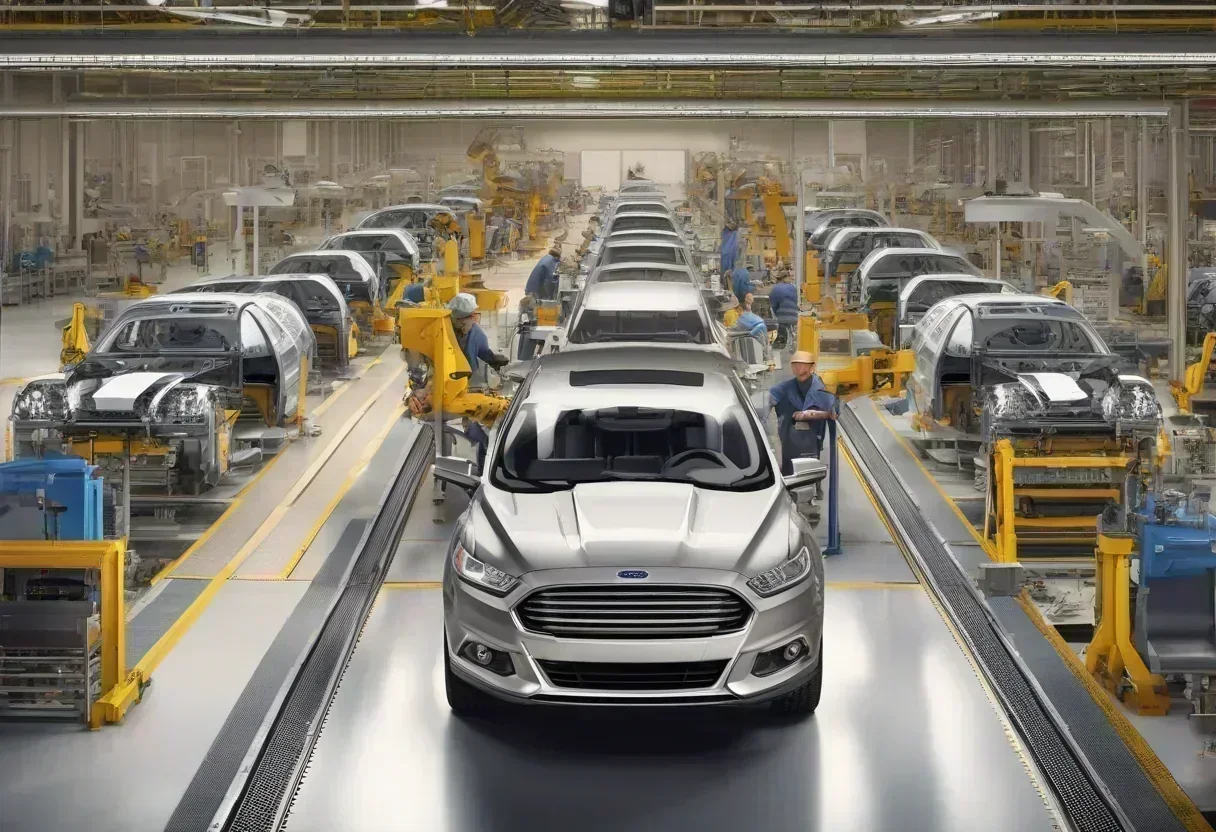
Ford claims that 83% of its vehicles sold in the United States are made here. This is a significant percentage, and the company wants to be rewarded for its commitment to domestic production.
In my experience, building vehicles in America can be more expensive than importing them from lower-wage countries. However, Ford’s decision to prioritize domestic production is likely driven by a desire to support the local economy and create jobs.
How Do Ford’s Rivals Compare?
According to the article, GM imported 1.17 million vehicles last year, which represented 41% of their domestic sales. Toyota also imported over 1.19 million vehicles, with 47% of its vehicles sold in America being imported.
These numbers suggest that Ford’s rivals are heavily dependent on imports, which could be a disadvantage if the company’s proposal to penalize importers is adopted.
What Is Ford’s Proposal?
Ford CEO Jim Farley wants the company to be rewarded for building in America or see rivals punished for relying on imports. He believes that this would ‘level the playing field’ and give Ford a competitive advantage.
In my opinion, this proposal is likely driven by a desire to protect Ford’s domestic production and create jobs. However, it’s unclear whether this proposal would be adopted, and it’s likely to face opposition from Ford’s rivals.
What Are the Implications of Ford’s Proposal?
If Ford’s proposal is adopted, it could have significant implications for the automotive industry. Rivals like GM and Toyota may be forced to increase their domestic production, which could lead to job creation and economic growth.
However, it’s also possible that Ford’s rivals could find ways to circumvent the proposal, such as by increasing their production in other countries.
What Is the Current State of the US-Mexico-Canada Agreement?
The Trump administration has decided not to renew the United States-Mexico-Canada Agreement in its current form. However, discussions with neighboring countries will continue to address ‘shortcomings’ in the trade deal.
In my opinion, this development could have significant implications for the automotive industry, particularly if the new agreement favors domestic production.
Frequently Asked Questions
Q: What percentage of Ford vehicles are built in America?
A: According to Ford, 83% of its vehicles sold in the United States are made here.
Q: How do Ford’s rivals compare in terms of domestic production?
A: GM imported 1.17 million vehicles last year, which represented 41% of their domestic sales. Toyota also imported over 1.19 million vehicles, with 47% of its vehicles sold in America being imported.
Q: What is Ford’s proposal regarding domestic production?
A: Ford CEO Jim Farley wants the company to be rewarded for building in America or see rivals punished for relying on imports. He believes that this would ‘level the playing field’ and give Ford a competitive advantage.