European Study Proposes Taxing Cars by Size to Combat 'Carspreading'
A new study suggests implementing maximum vehicle widths and altering tax rates to factor in total dimensions to combat the growing size of cars.
Key Takeaways
- Transport & Environment proposes taxing cars by size to combat ‘carspreading.‘
- The average car sold is getting longer, wider, and taller, leading to increased energy consumption and reduced parking spaces.
- The study suggests limiting regulatory advantages to electric vehicles smaller than 13 feet, eight inches.
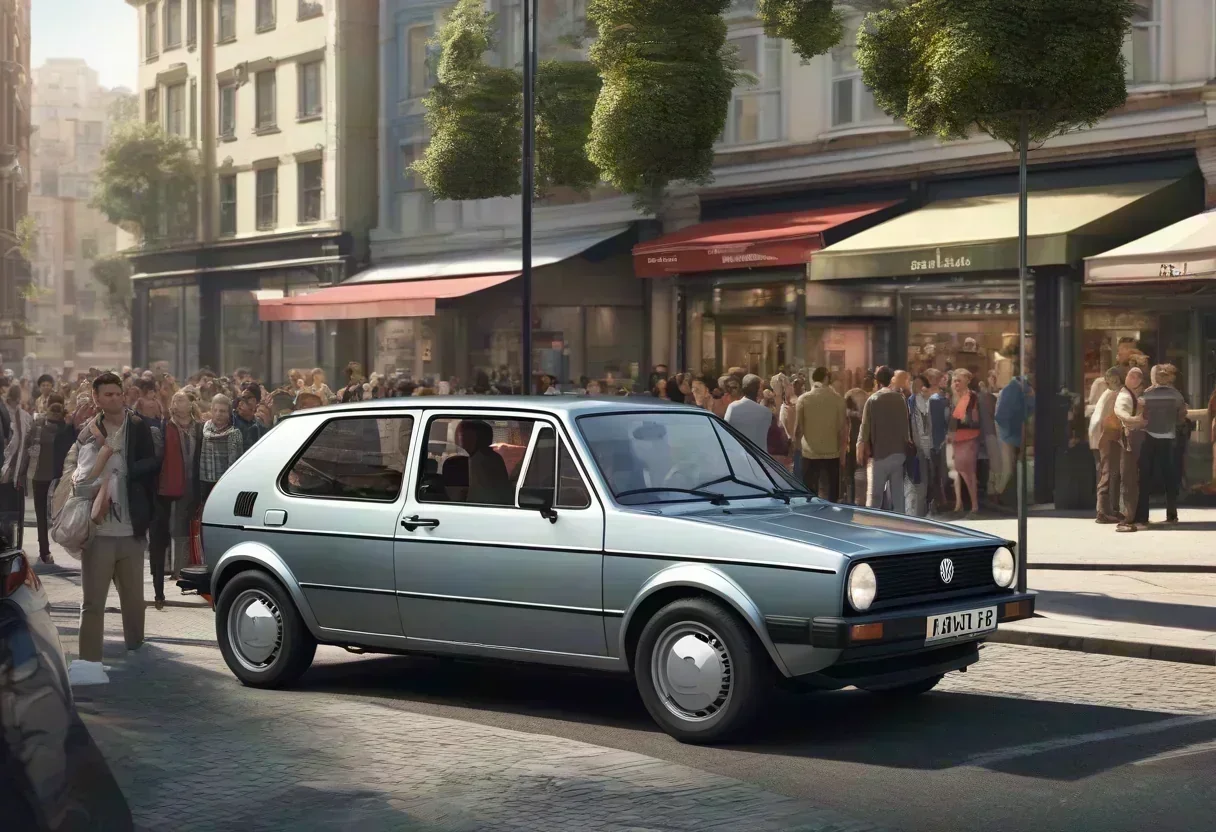
- The proposed ‘right-sized’ dimensions are similar to those of a VW Golf.
- The changes could help reduce the environmental impact of cars and increase parking capacity in cities.
What is ‘Carspreading’ and Why is it a Problem?
In my experience, the trend of cars getting larger and heavier is a significant concern for the automotive industry. The study by Transport & Environment highlights the issue of ‘carspreading,’ where cars are getting longer, wider, and taller, leading to increased energy consumption, reduced parking spaces, and a greater risk to pedestrians.
The data suggests that the average car sold is getting just under half an inch longer every year, and two-tenths of an inch wider and taller overall. This trend is expected to continue, with some cities potentially losing 14% of their current street parking capacity by 2040.
How Does the Proposed Tax System Work?
The proposed tax system would factor in the total dimensions of a car, including its length, width, and height. The study suggests that this would encourage manufacturers to produce smaller cars, which would be more environmentally friendly and take up less space on the road.
The tax system would also limit regulatory advantages to electric vehicles that are smaller than 13 feet, eight inches. This would incentivize manufacturers to produce smaller electric vehicles, which would be more sustainable and take up less space on the road.
What are the Proposed ‘Right-Sized’ Dimensions?
The study suggests that the proposed ‘right-sized’ dimensions are similar to those of a VW Golf. The dimensions are as follows:
| Dimension | Current Trend | Proposed ‘Right-Sized’ |
|---|---|---|
| Length | 4.56 meters | 4.25 meters |
| Width | 1.9 meters | 1.7 meters |
| Hood Height | 0.92 meters | 0.77 meters |
How Would the Proposed Changes Affect the Automotive Industry?
The proposed changes would likely have a significant impact on the automotive industry. Manufacturers would need to adapt to the new tax system and produce smaller cars that meet the proposed ‘right-sized’ dimensions.
This could lead to a shift towards more sustainable and environmentally friendly vehicles, which would be beneficial for the environment and for cities. However, it could also be challenging for manufacturers to adapt to the new regulations, and it may lead to increased costs for consumers.
What are the Potential Benefits of the Proposed Changes?
The proposed changes could have several benefits, including reducing the environmental impact of cars, increasing parking capacity in cities, and promoting more sustainable and environmentally friendly vehicles.
In my experience, these changes could also lead to a shift towards more innovative and efficient vehicle designs, which would be beneficial for the automotive industry as a whole.
Frequently Asked Questions
Q: What is the main goal of the proposed tax system?
The main goal of the proposed tax system is to reduce the size of cars and promote more sustainable and environmentally friendly vehicles.
Q: How would the proposed tax system work?
The proposed tax system would factor in the total dimensions of a car, including its length, width, and height, and limit regulatory advantages to electric vehicles that are smaller than 13 feet, eight inches.
Q: What are the proposed ‘right-sized’ dimensions?
The proposed ‘right-sized’ dimensions are similar to those of a VW Golf, with a length of 4.25 meters, a width of 1.7 meters, and a hood height of 0.77 meters.