Driving a Manual Transmission Keeps Your Brain Active, Says Neuroscientist
A Japanese study finds that driving a manual transmission stimulates the prefrontal cortex, a region that handles memory, attention, and decision-making.
Key Takeaways
- Driving a manual transmission stimulates the prefrontal cortex, a region that handles memory, attention, and decision-making.
- A Japanese study found that driving a manual transmission is a low-grade workout for the brain.
- Manual transmissions make up only 1 to 2 percent of new vehicle sales in Japan.
- The study was led by Professor Ryuta Kawashima, who created the science behind Nintendo’s Brain Age series.
- Driving a manual transmission can help preserve cognitive function in older adults.
What Makes Driving a Manual Transmission So Engaging?
In my experience, driving a manual transmission requires a level of engagement that is hard to match with an automatic transmission. The physical sequence of driving a manual, including reading traffic speed, dipping the clutch, picking a gear by hand, and metering the throttle, all happen at once and demand a level of coordination that holds the driver’s attention from one moment to the next.
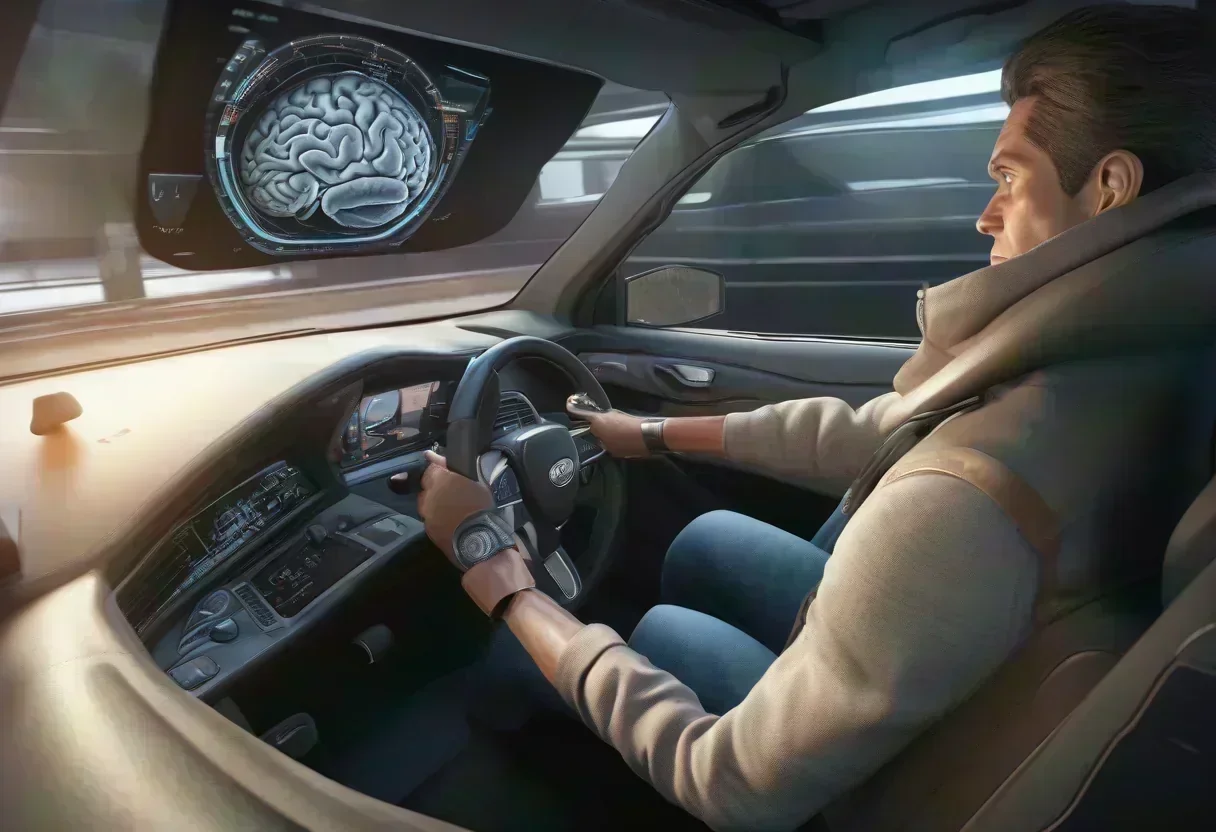
This level of engagement is what makes driving a manual transmission so stimulating for the brain. The prefrontal cortex, which handles memory, attention, and decision-making, is actively engaged when driving a manual transmission.
How Does Driving a Manual Transmission Affect the Brain?
According to the study, driving a manual transmission lights up the prefrontal cortex, which is a region that is responsible for a wide range of cognitive functions, including memory, attention, and decision-making.
This is in contrast to driving an automatic transmission, which can be a more passive experience that does not require the same level of engagement from the driver.
What Are the Benefits of Driving a Manual Transmission for Brain Health?
In a country that is aging as quickly as Japan, driving a manual transmission can be a low-grade workout for the brain that can help preserve cognitive function in older adults.
By stimulating the prefrontal cortex, driving a manual transmission can help to build cognitive reserve and reduce the risk of age-related cognitive decline.
Why Are Manual Transmissions Disappearing?
Despite the benefits of driving a manual transmission, they are becoming increasingly rare in new vehicles. In Japan, manual transmissions make up only 1 to 2 percent of new vehicle sales.
This is likely due to a combination of factors, including the increasing popularity of automatic transmissions and the growing demand for more convenient and easy-to-use vehicles.
What Does the Future Hold for Manual Transmissions?
While manual transmissions may be disappearing from new vehicles, there are still some holdouts that are keeping the tradition alive.
In Japan, entry-level kei vans and trucks are still available with manual transmissions, and some manufacturers are even offering manual transmissions as an option on certain models.
Frequently Asked Questions
Q: What is the benefit of driving a manual transmission for brain health?
A: Driving a manual transmission can help to stimulate the prefrontal cortex, which can help to build cognitive reserve and reduce the risk of age-related cognitive decline.
Q: Are manual transmissions disappearing?
A: Yes, manual transmissions are becoming increasingly rare in new vehicles. In Japan, they make up only 1 to 2 percent of new vehicle sales.
Q: What is the future of manual transmissions?
A: While manual transmissions may be disappearing from new vehicles, there are still some holdouts that are keeping the tradition alive. Some manufacturers are even offering manual transmissions as an option on certain models.