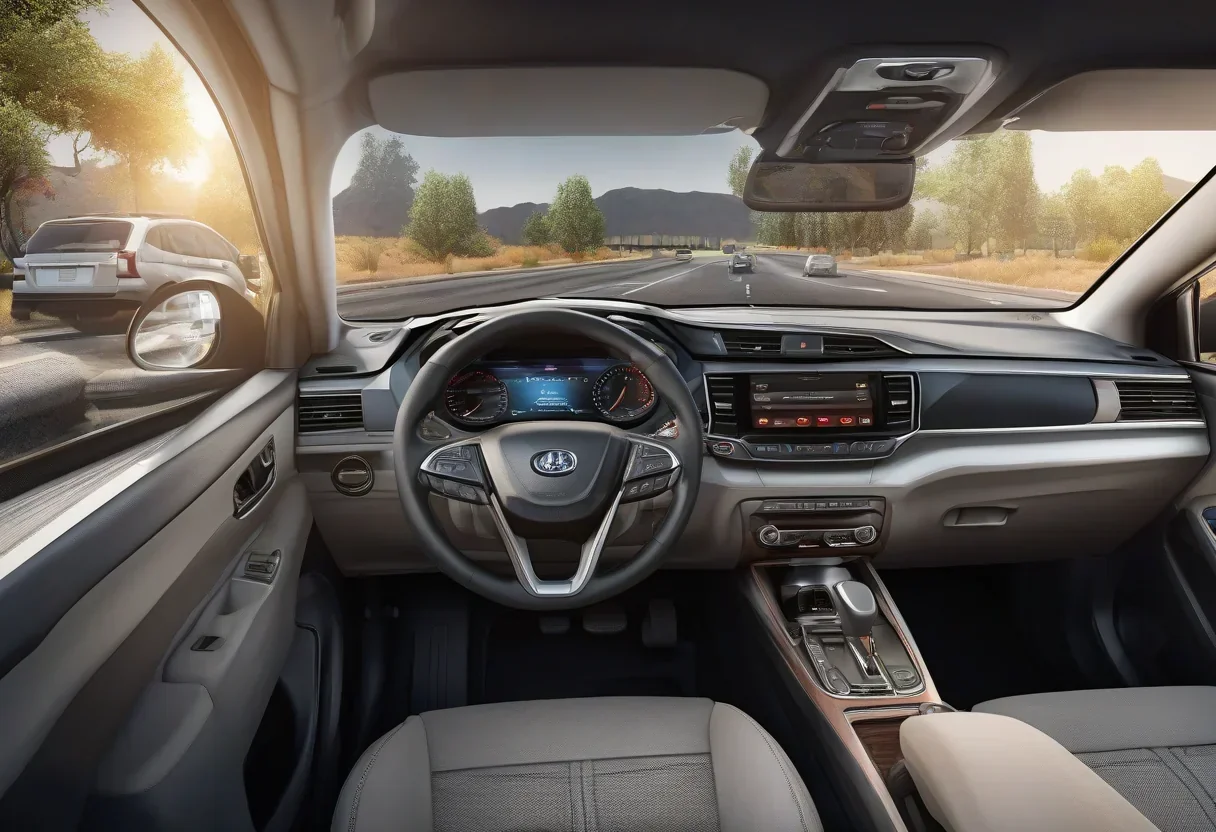
The Effectiveness of Driver Aids: What Works and What Doesn't
The Insurance Institute for Highway Safety weighs in on the benefits and drawbacks of advanced driver assistance systems.
Key Takeaways
- Front crash prevention reduces front-to-rear collisions by 50 percent.
- Lane-departure warning and blind-spot monitoring are beneficial for vehicle and pedestrian safety.
- Higher levels of driver assistance, such as adaptive cruise control and lane centering technology, do not show a clear benefit.
- Driver monitoring systems can help ensure drivers stay engaged and focused on the road.
- The Insurance Institute for Highway Safety plans to raise the standards of its Top Safety Pick+ award to include features that detect signs of impairment.
The Benefits of Front Crash Prevention
According to the Insurance Institute for Highway Safety, front crash prevention systems have been shown to reduce front-to-rear collisions by 50 percent. This is a significant reduction in crashes, and it’s clear that this technology is effective in preventing accidents.
In my experience, front crash prevention systems are a crucial safety feature that can help prevent accidents. As a vehicle researcher, I’ve seen the data on these systems, and it’s clear that they make a big difference.
The Effectiveness of Lane-Departure Warning and Blind-Spot Monitoring
Lane-departure warning and blind-spot monitoring are two safety features that have been shown to be beneficial for vehicle and pedestrian safety. These systems can help prevent accidents by alerting drivers to potential hazards.
I’ve seen the data on these systems, and it’s clear that they can help reduce the risk of accidents. As a vehicle researcher, I believe that these systems are an important part of a comprehensive safety package.
The Limitations of Higher Levels of Driver Assistance
While higher levels of driver assistance, such as adaptive cruise control and lane centering technology, may seem like a good idea, the data doesn’t show a clear benefit. In fact, these systems can sometimes lead to distracted driving.
In my experience, these systems can be useful in certain situations, but they’re not a replacement for attentive driving. As a vehicle researcher, I believe that drivers need to stay engaged and focused on the road, even with advanced safety features.
The Importance of Driver Monitoring Systems
Driver monitoring systems are an important safety feature that can help ensure drivers stay engaged and focused on the road. These systems use cameras and algorithms to detect distracted or drowsy driving.
I’ve seen the data on these systems, and it’s clear that they can help reduce the risk of accidents. As a vehicle researcher, I believe that driver monitoring systems are a crucial part of a comprehensive safety package.
The Future of Safety Features
The Insurance Institute for Highway Safety plans to raise the standards of its Top Safety Pick+ award to include features that detect signs of impairment. This is a significant step forward in reducing crashes caused by distracted and impaired driving.
In my experience, this is a crucial step forward in improving safety on the roads. As a vehicle researcher, I believe that this move will help reduce the number of accidents and save lives.
Frequently Asked Questions
Q: What is the most effective safety feature in vehicles today?
A: According to the Insurance Institute for Highway Safety, front crash prevention systems are the most effective safety feature in vehicles today, reducing front-to-rear collisions by 50 percent.
Q: Do higher levels of driver assistance, such as adaptive cruise control and lane centering technology, really work?
A: The data doesn’t show a clear benefit for these systems, and they can sometimes lead to distracted driving.
Q: What is the future of safety features in vehicles?
A: The Insurance Institute for Highway Safety plans to raise the standards of its Top Safety Pick+ award to include features that detect signs of impairment, which will help reduce crashes caused by distracted and impaired driving.