Ford's Wild Ride: Gas Engines Return to One-Off Demonstrators
Ford will continue to build wild demonstrators, but with a twist: they might not be all-electric.
Key Takeaways
- Ford will keep building wild demonstrators, but drop the all-electric rule.
- Future one-offs may run hybrid or combustion power instead of batteries.
- Lessons from Red Bull’s F1 team are feeding into Ford’s next builds.
- Ford decided not to compete in Formula E due to restrictions.
- The company wants to maintain flexibility and freedom in its one-off prototypes.
Ford’s Demonstrator Program: A New Chapter
In my experience, Ford’s demonstrator program has always been about pushing the boundaries of innovation and excitement. The company’s decision to drop the all-electric rule is a significant shift, but it’s not entirely surprising. As the automotive landscape continues to evolve, manufacturers must adapt and explore new technologies.
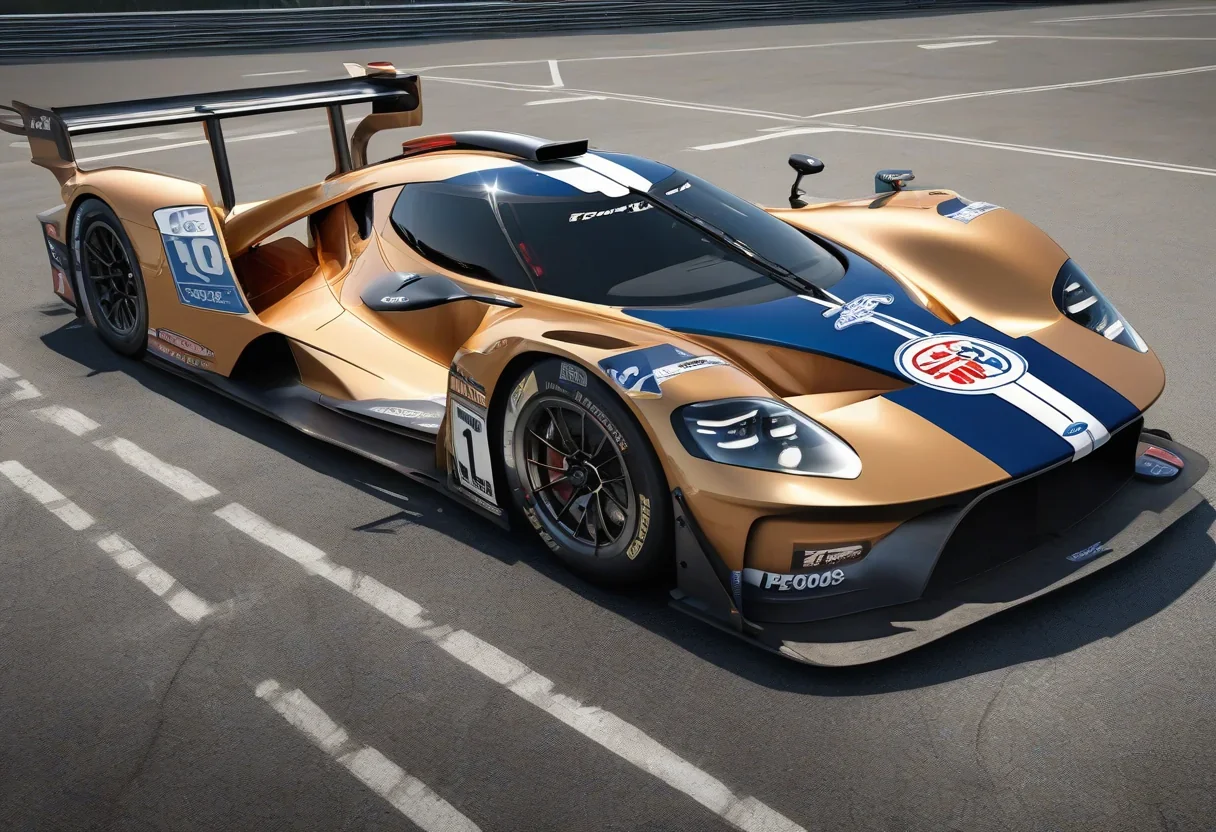
The demonstrator program started before the Covid-19 pandemic, with the goal of proving that electric vehicles could be exciting. The first all-electric hero was the Mustang Cobra Jet 1400, followed by other notable creations like the Mustang Mach-E NASCAR and Pikes Peak racers, the F-150 Lightning SuperTruck, and the Mustang Cobra Jet 2200.
Hybrid and Combustion Power: A New Era for Demonstrators
According to Ford Racing boss Mark Rushbrook, the company will continue to build demonstrators, but with a focus on exploring different powertrains. This means we can expect to see hybrid and combustion engines in future one-offs. This shift in strategy is likely a response to the changing market and consumer demands.
As someone who’s followed the automotive industry for over 30 years, I believe this move will allow Ford to showcase its versatility and commitment to innovation. By not restricting themselves to all-electric powertrains, Ford can experiment with new technologies and push the boundaries of performance.
Lessons from Red Bull’s F1 Team
Ford’s partnership with Red Bull’s F1 team has been instrumental in shaping its demonstrator program. The company has learned a great deal about advanced hybrid powertrains, which will likely influence its future builds. This collaboration is a testament to the benefits of partnerships in the automotive industry.
As we look to the future, it’s exciting to think about what Ford might create next. With its newfound focus on hybrid and combustion power, the possibilities are endless.
Why Not Compete in Formula E?
Rushbrook explained that Ford decided not to compete in Formula E due to the restrictions imposed by the series. By creating its own one-off prototypes, Ford can maintain flexibility and freedom in its designs. This approach allows the company to experiment with new technologies and push the boundaries of innovation.
In my opinion, this decision is a wise one. By not being tied to a specific series or set of rules, Ford can focus on creating truly unique and exciting vehicles.
Ford’s Commitment to Innovation
Despite walking back its EV plans, Ford remains committed to innovation. The company’s decision to continue building demonstrators is a testament to its dedication to pushing the boundaries of what’s possible.
As we look to the future, it’s clear that Ford will continue to be a major player in the automotive industry. With its focus on hybrid and combustion power, the company is poised to create some truly exciting vehicles.
Frequently Asked Questions
Q: Will Ford’s demonstrators still be electric?
A: Not necessarily. While Ford will still build electric vehicles, its demonstrators may feature hybrid or combustion powertrains.
Q: What inspired Ford’s decision to drop the all-electric rule?
A: The company’s decision was likely influenced by the changing market and consumer demands, as well as its partnership with Red Bull’s F1 team.
Q: Will Ford compete in Formula E?
A: No, Ford has decided not to compete in Formula E due to the restrictions imposed by the series.