2026 Toyota bZ: A Compact Electric SUV That's Quicker, Nicer, and More Competitive Than You Expect
The 2026 Toyota bZ compact electric SUV brings e-TNGA platform, TAM 4.0, OTA updates — here's how it compares to the VW ID.4 and Hyundai Ioniq 5.
Key Takeaways
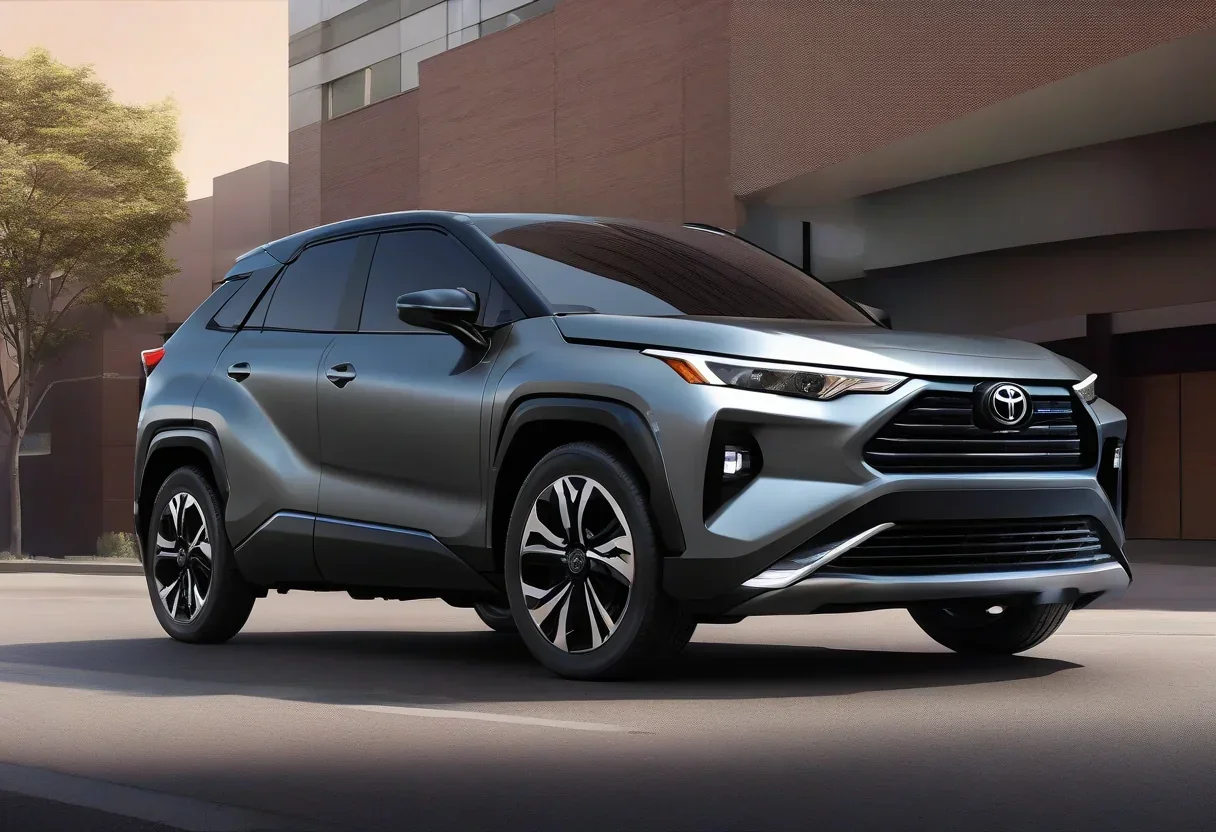
- The 2026 Toyota bZ corrects the bZ4X’s most divisive choices and is genuinely competitive in the C-segment compact EV crossover.
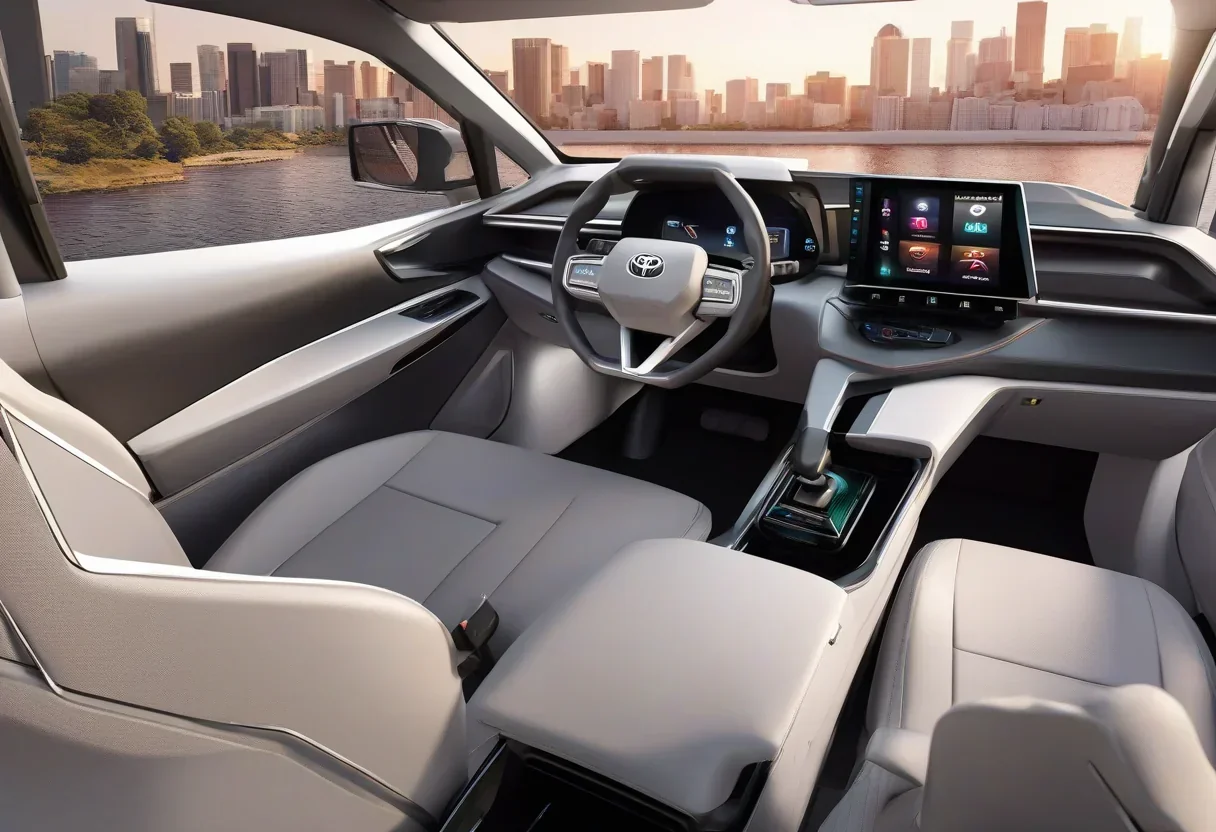
- The horizontal 14-inch touchscreen running Toyota Audio Multimedia 4.0 is a clear upgrade over the portrait-style bZ4X display.
- Over-the-air updates via Microsoft Azure IoT are confirmed — correcting the bZ4X’s biggest ownership complaint.
- Rear legroom of 35.2 inches is solid but trails the Hyundai Ioniq 5 (39.3 in) and VW ID.4 (36.6 in).
- Toyota’s interior material quality — bio-based olefin resin, 20% recycled PET, zero leather — surpasses the VW ID.4 in switchgear feel based on published comparisons.
Why Toyota Took So Long to Build a Competitive Compact EV
Toyota has been slower than Korean and European rivals to build a competitive compact BEV SUV lineup. The company’s public skepticism about pure battery-electric powertrains — CEO Koji Sato has repeatedly called hybrid and hydrogen “more pragmatic” for a global market — slowed investment in dedicated EV platforms. The 2026 bZ is Toyota’s most credible answer to the C-segment electric crossover gold rush that the VW ID.4, Hyundai Ioniq 5, and Kia EV6 have dominated since 2022.
Toyota first showed the production interior to North American media at the 2026 Charlotte Auto Show press preview in January 2026. Unlike bZ4X reveal events where Toyota’s product planners were carefully scripted, the Charlotte event allowed press attendees extended cabin access alongside the ID.4 and Ioniq 5 displayed across the hall.
Screen, Software, and OTA: What Changed From the bZ4X
The most visible change is Toyota’s decision to go with a horizontal 14-inch frameless touchscreen — a clear pivot from the tall portrait display that divided opinion on the bZ4X. The new screen sits at driver eyeline height, which measurably reduces sun glare. The interface runs Toyota Audio Multimedia 4.0 with wireless Apple CarPlay and Android Auto over Bluetooth 5.3.
The route-energy prediction function — underwritten by Toyota’s Microsoft Azure IoT partnership — aggregates battery SOC, elevation data, and climate control load to estimate remaining range. Toyota claims this is approximately 8–12% more accurate than TAM 3.0 on the bZ4X. The floating center console below the screen frees floor space between front seats, a small but practical improvement over the bZ4X’s tunnel design.
Rear Space: Good but Not Class-Leading
35.2 inches of rear legroom on the 2,680 mm e-TNGA wheelbase is competitive in this segment, but the VW ID.4 at 36.6 inches and the Hyundai Ioniq 5 at 39.3 inches both offer more. Cargo capacity of approximately 480 liters (VDA) also trails the ID.4’s 848 liters and the Ioniq 5’s 571 liters plus an 87-liter frunk.
Where the bZ wins is interior material quality. The switchgear feel and surface texture appear a meaningful step above the VW ID.4. Toyota’s decision to eliminate leather entirely — substituting bio-based olefin and recycled PET — gives the cabin a cleaner, more consistent material story than the ID.4’s mixed leather-and-plastic upper surfaces.
Frequently Asked Questions
Is the 2026 bZ fully electric?
Yes. The bZ is Toyota’s second fully battery-electric model after the bZ4X. It runs on Toyota’s dedicated e-TNGA platform with a battery electric powertrain — no hybrid or hydrogen variant is planned.
What is the range?
Toyota has not yet confirmed EPA-estimated range for the U.S. specification. Estimates based on the ~60 kWh battery capacity Toyota disclosed for the European WLTP-tested prototype suggest approximately 250–280 miles (EPA), adjusted for U.S. test cycle differences.
Does the bZ have AWD?
Yes. Toyota confirmed an e-AWD dual-motor variant at the Charlotte Auto Show. A front-wheel-drive single-motor version will be the entry specification.